
Manhattan Brownstone Landmark LPC Approvals: Complete Guide
Summer is the most ambitious renovation season in Manhattan. Long days, school breaks, and the motivation to finish a project before fall drive thousands of homeowners to finally move forward on plans they have been sitting on for months. For brownstone owners in landmark districts – and there are a great many of them – that ambition runs headlong into one of the most misunderstood regulatory frameworks in New York City: the Landmarks Preservation Commission.
The LPC governs exterior work on designated properties and historic districts across the five boroughs, and Manhattan brownstones sit squarely in its jurisdiction. Getting it wrong means stop-work orders, fines, and the time-consuming process of undoing and redoing work with approved materials. Getting it right means a seamless renovation that enhances your property’s historic character – and holds its value in a market that rewards authenticity.
This guide walks brownstone owners through everything that matters: what LPC oversight covers, which materials and designs meet approval standards, and how to move through the application process efficiently. If you are planning exterior or interior work on a landmark property, KS Renovation Group has extensive experience guiding Manhattan homeowners through the LPC process from the initial assessment through final approval.

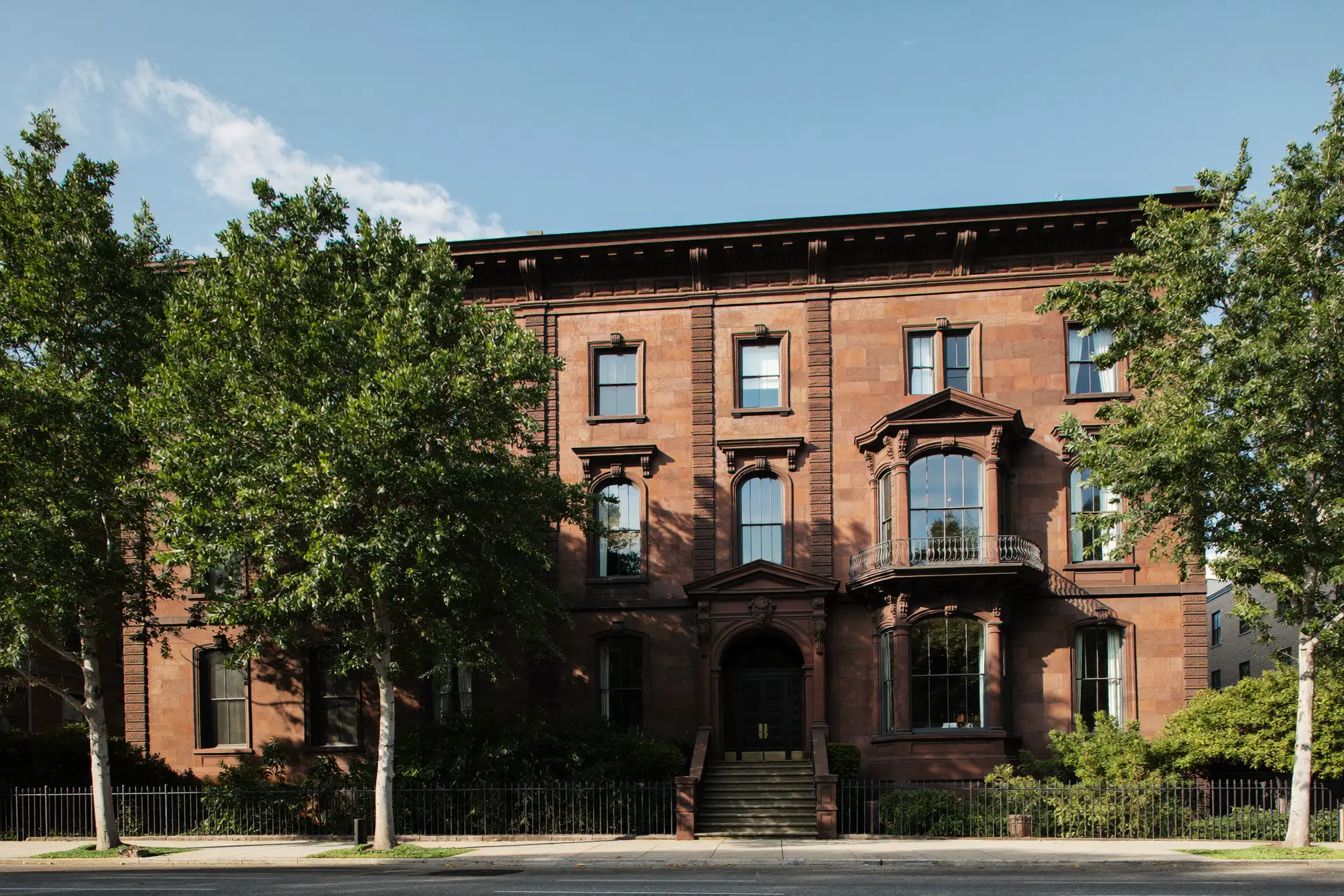
Understanding NYC Landmark Preservation and the LPC
What Makes a Brownstone a Landmark Property?
Not every brownstone in Manhattan is a designated landmark, but a significant share of the borough’s brownstone housing stock falls under LPC jurisdiction in one form or another.
The Landmarks Preservation Commission designates properties under several categories. Individual landmark designation applies to single buildings – typically structures of particular architectural, historical, or cultural significance. Interior landmark designation covers publicly accessible interior spaces. Scenic landmark designation applies to landscape features. But the designation that affects most Manhattan brownstone owners is the historic district designation.
Manhattan has more than 100 historic districts, covering entire neighborhoods where the collective character and streetscape are considered worth preserving. The rows of brownstones across Harlem, the Upper West Side, the East Village, and other neighborhoods form some of the most well-known examples. If your brownstone sits within one of these districts, LPC rules apply to virtually all exterior work – regardless of whether your specific building has been individually designated.
To determine your property’s designation status, check the NYC Landmarks Preservation Commission’s official database. The designation report for your district explains the architectural features and materials the LPC is specifically trying to protect.
The Landmarks Preservation Commission: Scope and Authority
The LPC is an independent city agency with authority that operates separately from the Department of Buildings. This is a distinction that trips up many first-time brownstone renovators: you can have a valid DOB permit for work that still violates LPC requirements, and vice versa.
The Commission’s core mandate is to prevent changes that would be inappropriate for a designated property or that would alter the character of a historic district. It does this by requiring property owners to obtain Commission approval – typically a Certificate of Appropriateness – before undertaking exterior changes. The LPC also has enforcement authority, which means unpermitted work can result not just in fines but in legally compelled restoration of the original condition at the owner’s expense.
What the LPC does not govern, in most cases, is interior work in non-publicly-accessible spaces. Most gut renovations of the interior of a landmark brownstone can proceed without LPC review – the Commission’s interest is in preserving what is visible from the street and the building’s contribution to the historic streetscape.
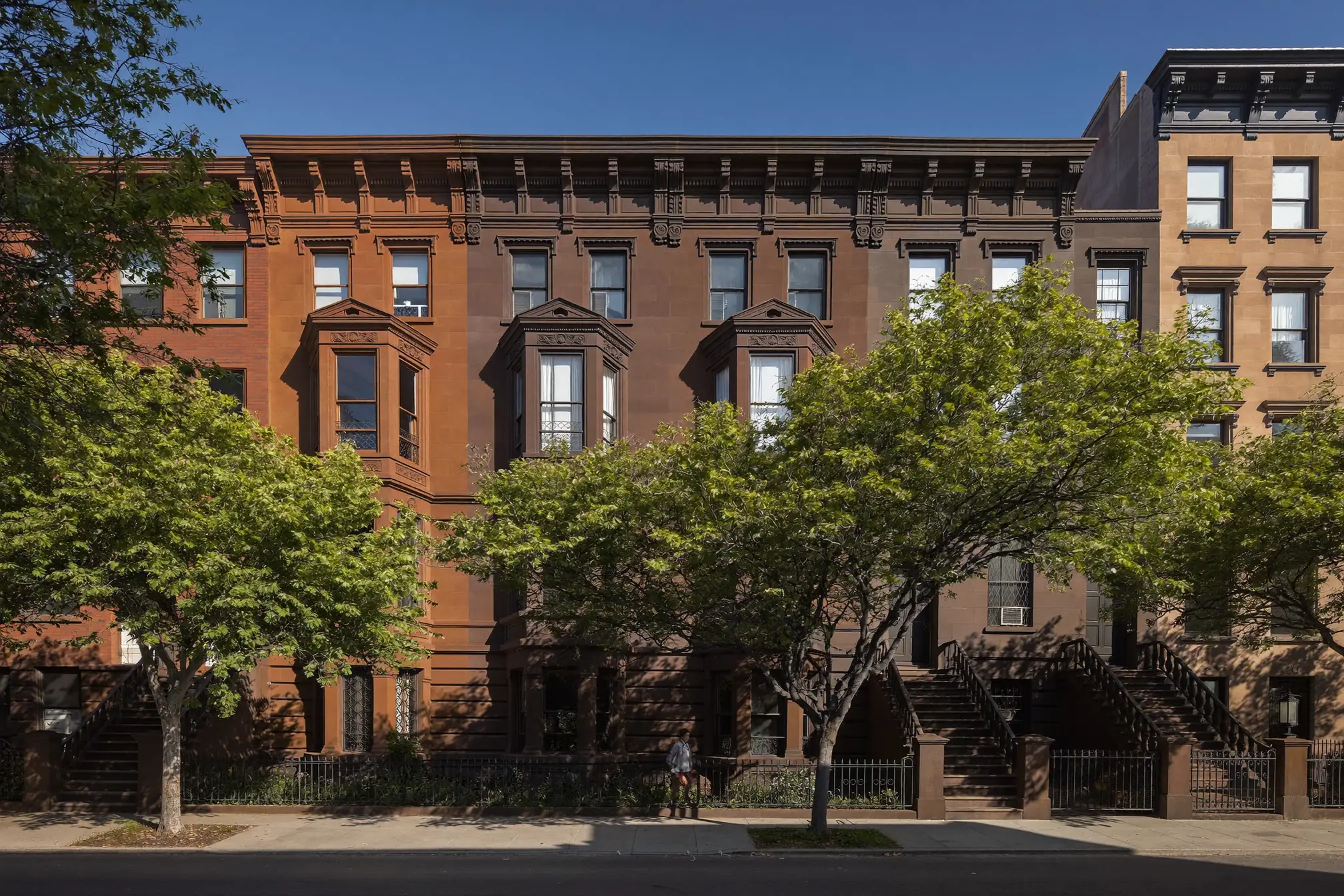
Types of Landmark Designations That Apply to Manhattan Brownstones
Understanding which type of designation applies to your property determines how the approval process works.
Individual landmarks typically require more rigorous review than properties in historic districts, because the LPC takes a building-by-building view rather than a neighborhood-wide one. Any changes to an individually designated landmark go through careful scrutiny, and even minor alterations may require a full Commission hearing.
Properties in historic districts generally fall under a more streamlined review process for routine repairs and modest alterations – though major changes still require full hearings. The LPC has published detailed guidelines for most historic districts that specify acceptable materials, window replacement standards, and other parameters, which gives property owners and their contractors a clearer roadmap.
Understanding your designation type before any planning begins is the first step toward a smooth project. KS Renovation Group can assess your property’s designation status and tailor a renovation approach that works within the applicable framework.
What Requires LPC Approval During a Brownstone Renovation
Exterior Work That Always Triggers Review
The general rule is straightforward: any change to the exterior appearance of a landmark or historic district property requires LPC review. The practical application, however, involves specifics that homeowners frequently underestimate.
Facade repairs and cleaning – even cleaning a brownstone facade can require approval if it involves chemical treatments or mechanical methods that could damage the original stone. The LPC has seen significant facade damage from well-intentioned owners who used pressure washing or inappropriate cleaning compounds on historic brownstone.
Window replacement – replacing original wood windows with modern units, even energy-efficient ones, is one of the most commonly reviewed categories of brownstone work. The LPC requires new windows to match the profile, material appearance, and operation of the original units. Custom wood windows or historically accurate composite alternatives are typically acceptable; standard aluminum or vinyl windows are almost never approved for historic district properties.
Masonry work – repointing, resurfacing, or replacing brownstone facade elements requires LPC review because the wrong mortar type or stone replacement can cause long-term damage to the original fabric of the building.
Rooftop additions – adding a roof deck, mechanical equipment housing, or any structure visible from a public way requires review. The LPC applies a “not visible from a public way” test to some rooftop modifications, meaning rear yard additions that cannot be seen from the street may have a simpler path to approval.
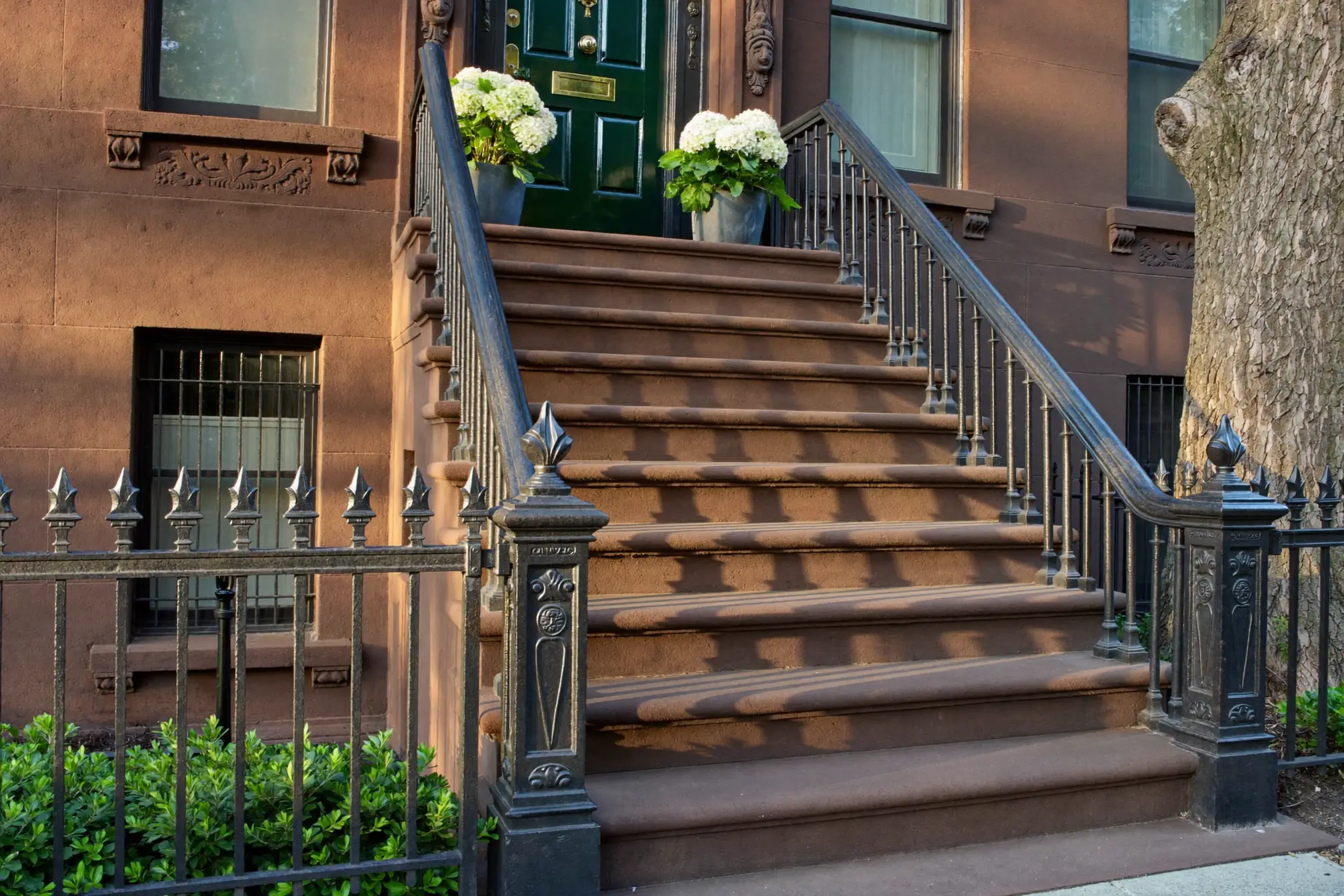
Ironwork and stoops – original stoops, railings, and ornamental ironwork are character-defining features of Manhattan brownstones. Repairs must replicate the original in form and material.
The Certificate of Appropriateness vs. Permit of No Effect
LPC approvals come in two main forms, and understanding the difference shapes your project timeline.
A Permit of No Effect (PNEF) is issued for work that the LPC has determined will not affect protected architectural features. It is typically issued for interior work with no exterior impact, or for maintenance work on non-character-defining elements. This permit can often be obtained relatively quickly.
A Certificate of Appropriateness (CofA) is required for work that affects landmark features. This is the more significant approval and the one most brownstone renovators need when undertaking exterior work. A CofA can be issued at the staff level for work that clearly meets established guidelines, or it can require a full Commission hearing if the proposed work is more complex, involves significant alterations, or sits outside standard parameters.
The key takeaway is that there is no single “LPC permit” – the type of approval needed depends entirely on the scope of work and how clearly it aligns with established precedent and guidelines.
Interior Work and Landmark Rules
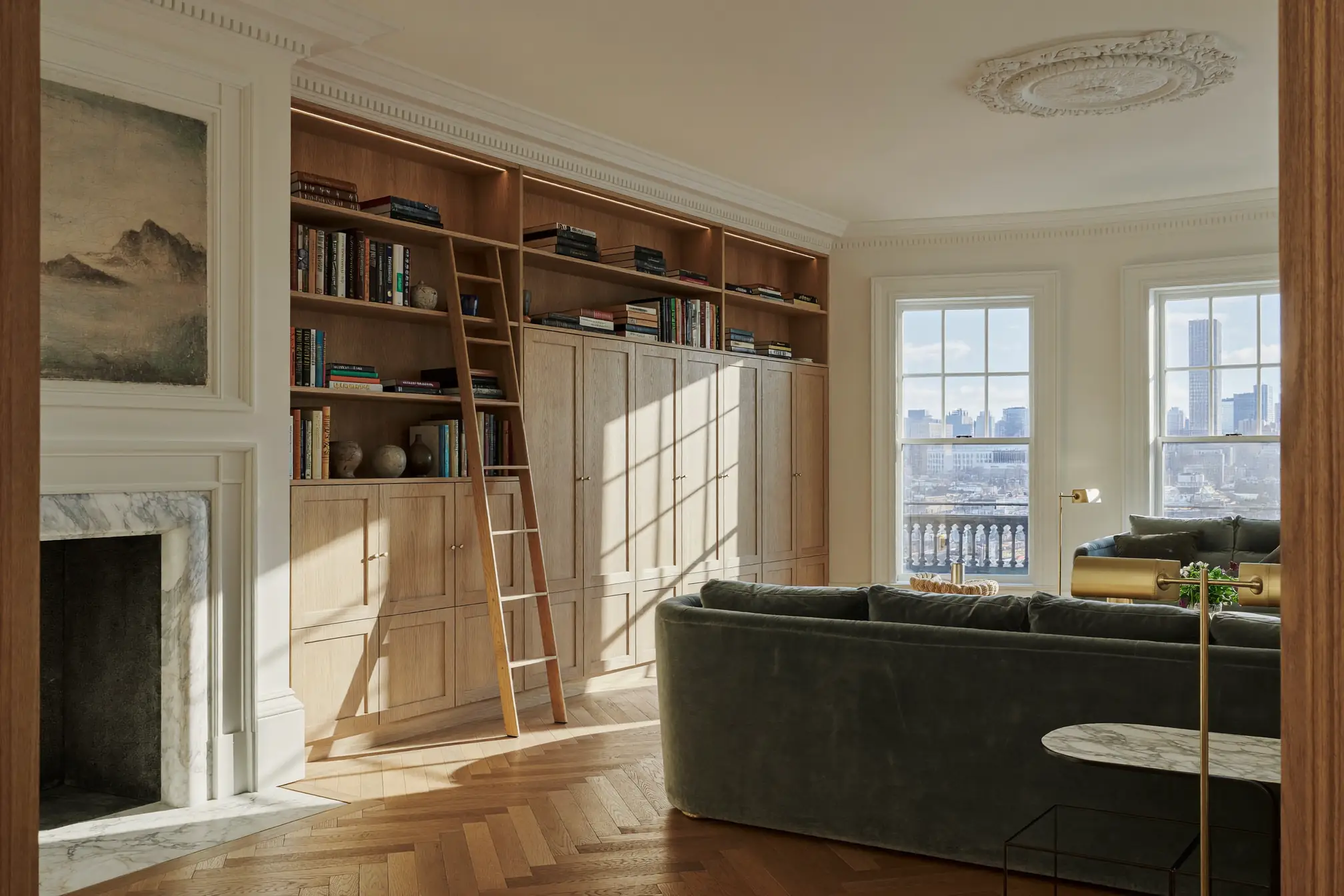
The good news for brownstone owners undertaking interior renovations is that the LPC’s jurisdiction over interior spaces is generally limited. Full gut renovations, kitchen and bathroom overhauls, custom built-ins, and structural interior modifications typically do not require LPC review – because they do not affect the exterior character that landmark designation is designed to protect.
The exceptions are worth knowing. If interior work requires cutting new openings in the facade – adding windows, modifying door openings, or installing through-wall HVAC units – the exterior impact triggers LPC review. Likewise, any work visible through existing windows may draw scrutiny.
For brownstone owners who want to completely reimagine their interior while preserving the historic exterior, this division of jurisdiction is actually a significant advantage. You can install a custom chef’s kitchen, add floor-to-ceiling millwork, reconfigure every room, and finish with high-specification materials – all without LPC involvement – as long as the building’s exterior character remains intact. KS Renovation Group specializes in exactly this kind of project: transformative interior renovations within the framework of historic exterior preservation. Explore our renovation portfolio to see what is possible inside a landmarked brownstone.
Approved Materials and Design Standards for Landmark Properties
Masonry, Mortar, and Facade Restoration
Brownstone is a specific material – a brown or reddish-brown sandstone quarried primarily from Connecticut and New Jersey – and it behaves differently from the brick and limestone used in other historic Manhattan buildings. Understanding how the LPC approaches brownstone repairs explains many of the approval requirements for facade work.
The LPC’s primary concern with masonry repair is compatibility. Hard Portland cement mortars, widely used in modern construction, are too rigid for historic brownstone and cause the surrounding stone to crack as the building moves with temperature changes over time. The LPC requires lime-based mortars that match the composition, color, and texture of the original – a standard that governs everything from minor repointing to large-scale facade restoration.
For brownstone that has spalled, cracked, or lost surface material, the approved approach involves consolidants and patching compounds that are chemically compatible with the original stone. Several manufacturers produce materials specifically approved for historic masonry work, and experienced contractors familiar with LPC requirements know which products hold up to Commission scrutiny. The National Park Service’s Preservation Briefs series provides detailed technical guidance on historic masonry repair that aligns with LPC standards.
Wholesale facade replacement with new brownstone is technically possible but requires sourcing stone that closely matches the original in color, texture, and finish – a process that requires LPC review and typically sample approval before work proceeds.

Windows, Doors, and Ironwork Standards
Windows are the single most scrutinized element in landmark brownstone renovations, and for good reason – they are prominently visible from the street and directly contribute to the historic character of the district.
The LPC’s position on window replacement has evolved significantly over the past decade. The Commission now recognizes that original single-pane wood windows have real energy efficiency limitations for Manhattan homeowners, and it has developed guidelines for acceptable replacement windows that address both historical accuracy and performance. The key requirements are that replacement windows match the original in overall dimensions, profile depth, operation type (double-hung, casement), and visual appearance from the street.
Custom wood windows that replicate the original profile are consistently approved. Certain fiberglass composite windows with wood-accurate profiles have also received approval in some historic districts. What remains generally unacceptable are standard aluminum-frame or vinyl windows with visible profiles that differ significantly from the historic originals.
Original ironwork – stoops, railings, areaway fencing, and window guards – is treated as a character-defining feature. Damaged ironwork should be repaired or replicated in kind. Replacement of missing ironwork based on historic photographs or matching examples from neighboring buildings is viewed favorably by the LPC.
Rooftop Additions and Mechanical Equipment
Rooftop work on Manhattan brownstones sits at the intersection of historic preservation rules and modern urban living expectations, making it among the most nuanced LPC terrain to navigate.
The LPC applies a visibility test to most rooftop additions: work that cannot be seen from a public street in normal pedestrian travel is typically subject to less scrutiny than work that is clearly visible. This means a rear yard deck or a small mechanical equipment housing tucked back from the front facade may qualify for a PNEF or staff-level CofA.
However, any addition that is visible from the street – an enclosed rooftop structure, a pergola, HVAC equipment visible over the parapet – requires a full CofA and often must demonstrate that it is minimally visible and does not detract from the historic character of the streetscape. Rooftop additions must also be set back from the primary facade to reduce their visual presence.
For HVAC and mechanical equipment, through-wall air conditioning sleeves in visible locations are typically subject to LPC review. Central systems with equipment concealed from view are increasingly the preferred – and LPC-favored – approach in high-end brownstone renovations.
KS Renovation Group can evaluate your brownstone’s rooftop and mechanical options within the LPC framework. Contact our team to discuss your project scope and the right approval pathway for your property.
Navigating the LPC Application Process Step by Step
Building Your Application Package
The LPC application process begins before you file anything. The strongest applications are built on thorough preparation – and the most common delays come from incomplete or poorly documented submissions.
A typical CofA application for brownstone exterior work includes:
Photographs of the existing conditions – clear, high-resolution images of every elevation affected by the proposed work, plus detailed shots of the specific features being modified. The LPC wants to see exactly what exists today before evaluating what you propose to change.
Architectural drawings – scaled plans, elevations, and detail drawings showing the proposed work. For anything beyond routine repairs, these need to be prepared by a licensed architect or a professional with historic preservation experience.
Material specifications – product cut sheets, samples, or photographs of proposed materials. For masonry, mortar specifications and mix designs. For windows, manufacturer specs and profile drawings. The LPC reviews these to determine compatibility with the original building fabric.
Historical documentation – for work that involves replacing missing or damaged features, historical photographs, insurance maps, and neighboring building comparisons help establish what the original conditions looked like and support approval for sensitive replacements.
The NYC LPC’s online permitting portal accepts digital submissions, and the agency has published detailed application guides for each type of approval. Working with a contractor who has assembled successful applications for similar projects significantly reduces the back-and-forth that can add months to a project timeline.
Staff-Level Approval vs. Full Commission Review
Not all CofA applications go to a public hearing. The LPC has authority to delegate approval of routine, clearly appropriate work to its professional staff – a process that can move significantly faster than a full Commission calendar.
Staff-level approval is available for work that fits within the LPC’s established guidelines for a given historic district or building type. Routine window replacements with approved materials, facade repairs with compatible mortar and stone, and modest rooftop equipment installations in non-visible locations are common candidates for staff-level review.
Full Commission review is required for work that falls outside established guidelines, involves significant alterations to character-defining features, or raises issues the staff does not have authority to resolve independently. Full Commission calendars run monthly, so a hearing-required application adds at minimum several weeks to the approval timeline – often more, depending on scheduling and whether the application needs revision after an initial presentation.
Knowing in advance which track your project is on shapes your planning significantly. An experienced renovation contractor can often structure a project’s scope and materials selection to maximize the likelihood of staff-level review.
Common Reasons Applications Get Delayed or Rejected
Most LPC delays are preventable. The same issues appear repeatedly in applications that end up in extended review, and understanding them is the best insurance against a stalled project timeline.
Incomplete documentation is the most common cause of delay. Missing photographs, under-specified material descriptions, or architectural drawings that do not clearly show the relationship between proposed work and adjacent historic fabric all generate requests for additional information that add weeks to the process.
Proposed materials outside approved standards create immediate complications. Using products not on the LPC’s approved materials list, or that have not been previously approved for the specific historic district, triggers additional review. Contractors who propose “similar” or “equivalent” materials without prior LPC approval often create more work for themselves than if they had consulted the established guidelines from the start.
Scope creep in the application is also a recurring problem. Applications that include work beyond what is necessary, or that propose changes in areas the LPC is known to scrutinize heavily, invite more questions. A focused application for clearly appropriate work moves faster than a broad proposal that gives reviewers more to evaluate.
Working with the Historic Districts Council or a preservation consultant in advance of filing can help identify potential issues before they reach the LPC.
How an Experienced Contractor Accelerates the Process
The LPC application process rewards experience. Contractors and architects who have successfully completed landmark projects in Manhattan know the Commission’s preferences, understand which materials reliably receive approval, and have established working relationships with LPC staff that facilitate smoother communication.
This practical knowledge translates directly into project timelines. A contractor who has never worked in a landmark district may produce a technically complete application that still generates multiple rounds of revision because it does not anticipate the Commission’s specific concerns for that district. An experienced team structures the application to address those concerns proactively – reducing review cycles and moving toward approval faster.
Beyond the application itself, experienced contractors understand how to sequence a brownstone renovation so that LPC-dependent work does not hold up the entire project. Interior work, structural assessments, and preparation that does not require LPC approval can proceed in parallel with the approval process, so that the project is ready to move quickly once the Certificate of Appropriateness is in hand.
KS Renovation Group has guided Manhattan brownstone owners through LPC approvals for projects ranging from focused facade restorations to comprehensive renovations that combine historic exterior work with completely reimagined interiors. If you are planning a project on a landmark property, schedule a consultation with our team to discuss your timeline and what the approval process looks like for your specific building.
Conclusion
Manhattan’s landmark brownstones represent some of the most architecturally significant residential buildings in the country. The LPC oversight that governs exterior renovations on these properties exists to ensure that significance is not eroded by poorly executed work – and when navigated correctly, the process is manageable and entirely compatible with ambitious renovation goals.
Understanding the distinction between what triggers review and what does not, knowing which materials the LPC consistently approves, and building a complete and well-documented application package are the three factors that most determine whether a historic preservation brownstone renovation proceeds smoothly or gets stuck in regulatory delay.
The homeowners who move through the LPC process most successfully are those who start planning early, engage contractors with genuine landmark experience, and approach the Commission as a professional body with clear, reasonable standards – rather than as an obstacle. Summer projects that are approved and underway this season are almost always the ones where the owner began the application process in the spring.
If you are ready to move forward on a brownstone renovation and want to understand exactly what the LPC approval process looks like for your property, contact KS Renovation Group. Our team has the landmark commission permit experience to guide your project from assessment through approval and through to a finished renovation that respects the character of your building while delivering the quality of living your investment deserves.
Frequently Asked Questions
Do I need LPC approval to renovate my brownstone’s interior?
In most cases, no. The LPC does not regulate interior renovations in private residential spaces. You can gut and completely redesign your kitchen, bathrooms, closets, and living spaces – including custom built-in millwork – without any LPC involvement, as long as the work does not affect the building’s exterior appearance. The exception is interior work that requires new exterior openings or visible facade modifications.
How long does the LPC approval process typically take in Manhattan?
Staff-level approvals for straightforward, clearly appropriate work can be issued in a matter of weeks. Applications that require a full Commission hearing generally take longer – typically several months from submission to approval, depending on the Commission calendar and whether revisions are required. Starting the process well before your target construction start date is essential for any summer project.
Can I replace my original wood windows with modern double-pane windows?
In most cases, yes – but the replacement windows must closely match the original in profile, operation type, and overall street-facing appearance. Standard vinyl or aluminum windows are almost never approved for historic district brownstones. Custom wood windows or approved composite alternatives that replicate the historic profile are typically acceptable. Your contractor should provide detailed material specifications as part of the LPC application.
What happens if I do exterior work on my brownstone without LPC approval?
Unpermitted exterior work on a landmark property can result in stop-work orders, financial penalties, and – in serious cases – legally compelled restoration of the original conditions at the owner’s expense. The LPC has enforcement authority and regularly identifies unpermitted work. The cost of non-compliance consistently and significantly exceeds the effort of obtaining proper approval in advance.
Does landmark designation mean I cannot make any changes to my brownstone?
No. Landmark designation is not a freeze on renovation – it is a framework for ensuring that changes are appropriate and compatible with the building’s historic character. Thousands of Manhattan landmark brownstones are renovated each year with LPC approval. Interior renovations, modern mechanical systems, energy-efficient improvements, and thoughtful exterior restorations are all achievable within the landmark commission permit process when approached with the right expertise and materials.

You may also be interested




KS Renovation Blog
Get Inspired
Meaningful information about home remodeling for the true NYC homeowners.

OUr Clients Say

William Plotch
amy schorr
gberaka
NYC kitchen remodeling Projects and more


