
Energy Star 2026: New Appliance Standards for Manhattan Homeowners
March 2026 is here - and if you own a home in Manhattan, the federal government just changed the rules on the appliances you buy, install, and claim on your taxes. What you don't know right now could cost you thousands in missed rebates, failed inspections, and non-compliant upgrades. Here's everything you need to know - and exactly how to act on it.

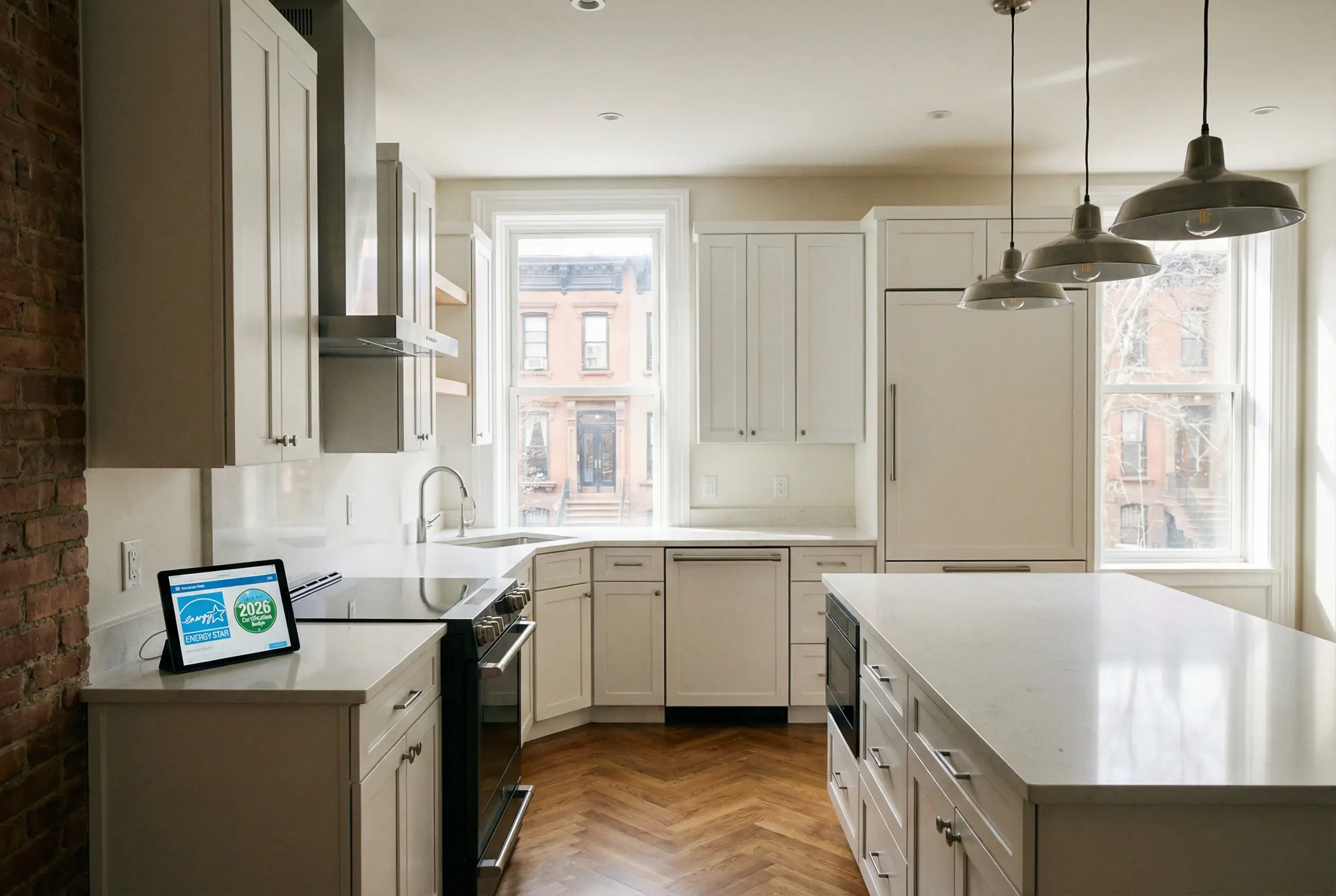
What's Actually Changing With Energy Star 2026 Requirements
The March 2026 federal appliance standards update is the most significant overhaul to the Energy Star program in over a decade. The U.S. Department of Energy has tightened efficiency thresholds across nearly every major appliance category, meaning that products certified under older guidelines may no longer qualify for federal tax credits or utility rebates going forward.
This isn't just a paper change. Retailers have already begun phasing out non-compliant inventory, and many NYC building permit applications now cross-reference Energy Star certification numbers during inspection.
Which Appliances Are Affected
The 2026 update touches a wide range of categories relevant to Manhattan homeowners and co-op/condo residents:
- HVAC systems - Central air conditioners and heat pumps now face stricter SEER2 and HSPF2 minimums
- Dishwashers - New water usage limits drop the allowable threshold by approximately 20%
- Refrigerators and freezers - Updated kWh/year maximums based on volume and configuration
- Washers and dryers - Combined energy factor (CEF) requirements have been raised
- Water heaters - Heat pump water heaters are now the de facto standard for Energy Star qualification in most configurations
The NYC-Specific Regulatory Layer
Manhattan homeowners don't just answer to federal standards - Local Law 97 and Con Edison's demand management programs stack additional requirements on top of Energy Star. As of 2026, buildings over a certain square footage threshold must demonstrate appliance-level compliance as part of annual emissions reporting. For co-op and condo owners, this means your board may be fielding compliance questions that trickle directly down to individual units.
Working with a renovation contractor who understands both the federal Energy Star 2026 requirements and NYC's local building codes isn't optional - it's essential. KS Renovation Group has deep experience navigating exactly this dual compliance landscape for Manhattan homeowners. Reach out today for a compliance consultation.
Federal Rebates, Tax Credits, and What Manhattan Homeowners Can Actually Claim
The Inflation Reduction Act's rebate framework - still active in 2026 - is your most powerful financial tool when upgrading to compliant appliances. But the window to maximize these benefits is narrow, and tax season is happening right now.

IRA Tax Credits Still Available in 2026
Under the current IRA structure, homeowners can claim:
- Up to 30% (capped per category) on qualifying heat pumps, heat pump water heaters, and energy-efficient HVAC systems
- Annual caps reset each tax year, meaning upgrades done in early 2026 can be claimed on your 2026 return
- Bonus credits for households that replace fossil-fuel-burning appliances with fully electric alternatives
The key requirement: every appliance must meet the new 2026 Energy Star thresholds to qualify. Installing a unit that was compliant under 2024 standards won't cut it.

New York State and NYC-Specific Incentives
New York State's Residential Energy Efficiency Rebate programs, administered through NYSERDA, run parallel to federal credits and can be stacked in many scenarios. Con Edison's SmartAC and energy efficiency programs also offer direct rebates on qualifying equipment - sometimes processed at point-of-sale through participating contractors.
Don't leave these rebates on the table. The team at KS Renovation Group can help you identify every federal, state, and city incentive available for your specific renovation - contact them before you purchase a single appliance.
How to Document Your Upgrades for Tax Season
The IRS requires specific documentation for energy efficiency credits. Keep the following for every qualifying purchase:
- Manufacturer's certification statement confirming Energy Star 2026 compliance
- Receipt showing product model number and installation date
- IRS Form 5695 (Residential Energy Credits) completed by your tax preparer
A licensed contractor who provides proper documentation at the close of every job makes this process significantly cleaner. Ask about it upfront.
The Best Energy-Compliant Appliances for Manhattan Apartments and Townhouses
Not all compliant appliances are created equal - and in a Manhattan context, space constraints, building infrastructure, and noise ordinances narrow your viable options considerably.
Top-Performing Compliant HVAC Options for NYC
For Manhattan apartments and townhouses, the top-tier 2026-compliant options cluster around:
- Ductless mini-split heat pumps from brands like Mitsubishi, Daikin, and LG - excellent for room-by-room control in pre-war buildings without existing ductwork
- Variable refrigerant flow (VRF) systems for larger townhouses or multi-zone requirements
- High-efficiency central systems where existing duct infrastructure supports it
Noise is a real consideration in Manhattan. Look for outdoor units rated at 55 dB or below - particularly important if you're in a building with tight lot lines.
Kitchen and Laundry Appliances Worth the Upgrade
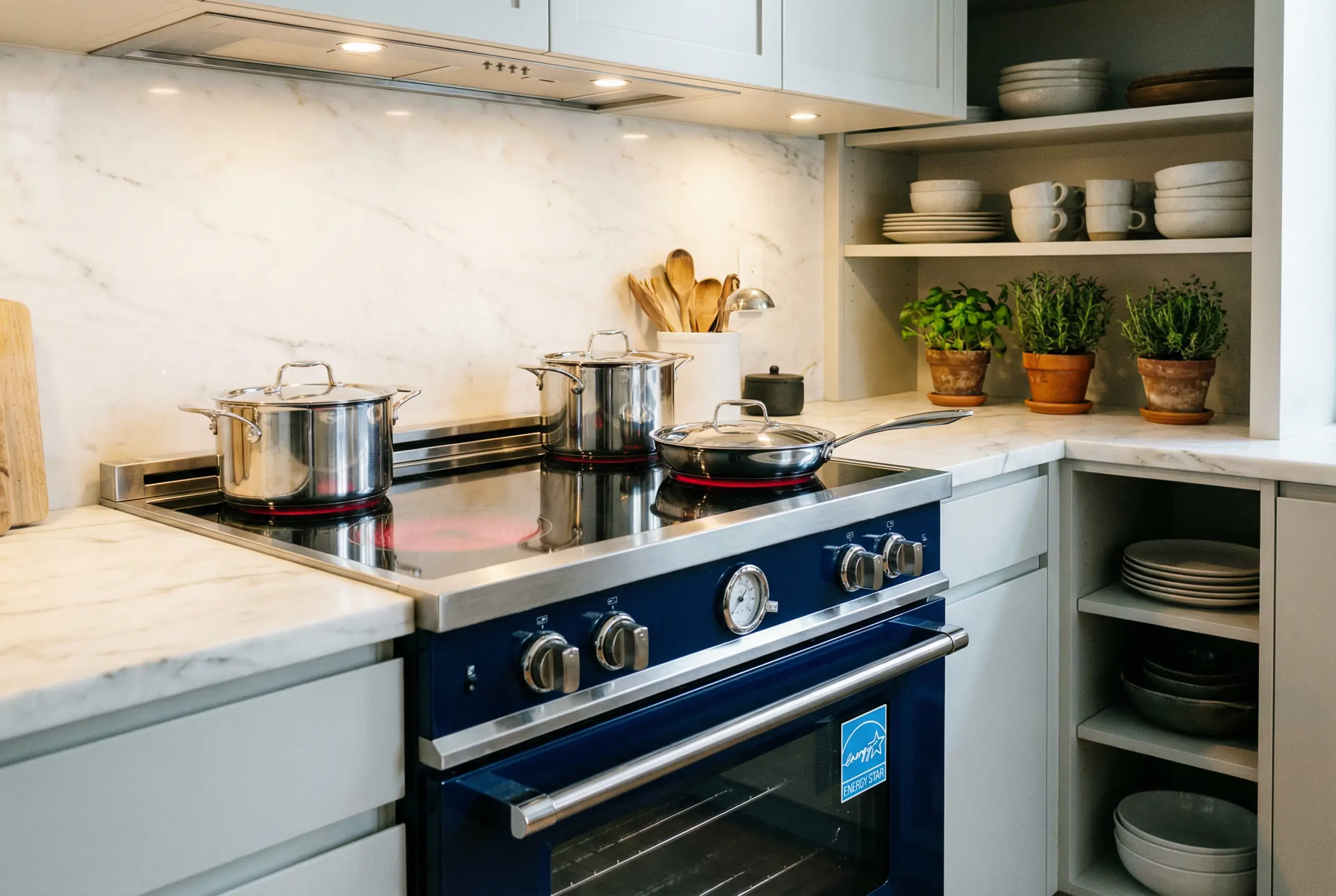
In kitchens and laundry rooms, the 2026-compliant standouts include:
- Induction ranges - now favored heavily under NYC's gas appliance phase-out direction and fully Energy Star compliant
- Heat pump dryers - dramatically more efficient than conventional electric dryers, though they require slightly longer cycle times
- Front-load washers with smart-load sensing technology that automatically adjusts water use
The installation considerations for these appliances - electrical panel upgrades, ventilation modifications, plumbing adjustments - are precisely where a skilled general contractor adds value beyond simply swapping units.
If your Manhattan renovation involves kitchen, laundry, or HVAC upgrades, KS Renovation Group handles the full scope: permitting, installation, and compliance documentation. Schedule your consultation now.
Real Savings Calculations: What Upgrading Actually Means for Your Energy Bills
The case for upgrading to 2026-compliant appliances isn't just regulatory - the efficiency gains translate to measurable monthly savings on Con Edison bills that compound year over year.

HVAC Savings in a Typical Manhattan Setting
Switching from a conventional central AC system to a 2026-compliant heat pump in a 1,200 sq ft Manhattan apartment can reduce annual HVAC energy consumption by 30-50%, depending on the building envelope and usage patterns. For homeowners currently on Con Edison's tiered rate structure, those savings are amplified during peak summer demand periods.
Heat pump water heaters, replacing standard electric resistance units, typically deliver 2-3x the efficiency - meaning you're moving the same amount of heat energy for a fraction of the electricity draw.
The Compounding Effect Over 5-10 Years
Energy efficiency upgrades don't just save money in year one - they compound. A 2026-compliant kitchen and laundry suite, installed today, will continue to outperform older equipment for 10-15 years. Factor in likely utility rate increases over that horizon and the avoided cost of deferred maintenance on aging systems, and the financial case becomes overwhelming.
For Manhattan homeowners considering a broader renovation - kitchen remodel, bathroom update, full-floor gut renovation - integrating appliance upgrades into a single project scope maximizes efficiency and minimizes disruption.
How to Model Your Own Savings
NYSERDA offers a free online Home Energy Assessment tool that lets you input your current appliances and estimate savings from compliant upgrades. Con Edison's website similarly provides a personalized energy analysis. These tools are a smart first step - but they work best when paired with a contractor who can translate projections into a real installation plan.
Ready to see what 2026-compliant upgrades could mean for your specific home? KS Renovation Group offers comprehensive renovation planning that accounts for energy efficiency, NYC compliance, and your household's unique needs. Get in touch today.
Conclusion: The Manhattan Homeowner Who Acts Now Wins on Every Front
The Energy Star 2026 update isn't a distant regulatory abstraction - it's live, it's affecting what you can buy and claim right now, and it's intersecting with tax season at exactly the right moment to make action financially rewarding. Manhattan homeowners who move forward with compliant upgrades in the next few months will capture federal tax credits on their 2026 returns, access NYSERDA and Con Edison rebate programs before allocation windows close, lock in lower utility bills ahead of anticipated rate increases, and ensure their homes are ahead of - not scrambling to meet - New York City's ongoing emissions compliance requirements.
The difference between homeowners who benefit from this regulatory moment and those who don't comes down to one thing: having the right team executing the right upgrades correctly and completely.
KS Renovation Group is Manhattan's trusted partner for energy-efficient home renovations that check every compliance box and maximize every available incentive. Don't wait for the rebate windows to close - contact KS Renovation Group today and take the first step toward a more efficient, more compliant, and more valuable home.
Frequently Asked Questions
Q1: Do the new Energy Star 2026 requirements apply to renters in Manhattan, or only homeowners?
The federal appliance standards and associated tax credits apply to homeowners. However, renters who own their unit in a co-op or condo may have obligations under NYC's Local Law 97 emissions framework depending on their building's overall compliance status. If you're unsure of your exposure, speaking with your building's management and a knowledgeable renovation contractor is the smart first step.
Q2: Can I still install an appliance that was Energy Star certified under the 2024 standards?
You can install it, but it may not qualify for IRA tax credits or current NYSERDA rebates if it doesn't meet the updated 2026 thresholds. It's critical to verify current certification status - not just that a product carries the Energy Star logo - before purchasing for a rebate-eligible project.
Q3: Do I need a permit to replace appliances in my Manhattan apartment?
It depends on the scope of work. Like-for-like appliance swaps in the same location typically don't require a permit. However, electrical panel upgrades (often needed for heat pump or induction installations), gas line work, or any structural or plumbing modification will require permits filed with NYC DOB. A licensed contractor handles this process on your behalf.
Q4: How do I know if my building allows the appliances I want to install?
Co-op and condo boards vary significantly in their rules around appliance types, particularly for washer/dryers and HVAC equipment. Always review your proprietary lease or condo offering plan and check with your building's managing agent before committing to an appliance upgrade. KS Renovation Group regularly works with building management to navigate these approvals.
Q5: Is it worth upgrading appliances as part of a larger renovation, or should I do it separately?
Bundling appliance upgrades into a broader renovation project almost always makes more sense - both logistically and financially. Electrical work, carpentry, and finishing that would need to happen anyway for the renovation can often cover the infrastructure needs of a new appliance simultaneously, reducing total labor hours and minimizing the disruption to your home. Talk to KS Renovation Group about how to sequence your project for maximum efficiency and minimum hassle.

You may also be interested



KS Renovation Blog
Get Inspired
Meaningful information about home remodeling for the true NYC homeowners.

OUr Clients Say

William Plotch
amy schorr
gberaka
NYC kitchen remodeling Projects and more


