
Manhattan Walk-In Pantry: Transform Dead Space to Dream Storage
In Manhattan, where every square foot commands a premium and kitchen space is notoriously limited, there's often a hidden opportunity lurking in plain sight: that awkward alcove, underutilized closet, or dead-end corner that could become your dream walk-in pantry. While most New Yorkers resign themselves to cluttered countertops and overflowing cabinets, savvy homeowners are discovering that with strategic custom millwork and smart design, even the smallest Manhattan kitchens can accommodate luxurious, organized pantry storage.
The transformation from chaotic kitchen to culinary sanctuary isn't just about adding shelves - it's about reclaiming your space, your time, and your peace of mind. When you can see everything you own, access ingredients effortlessly, and eliminate the daily frustration of searching for items, cooking becomes a pleasure rather than a chore. This is the power of a well-designed walk-in pantry, and it's more achievable in your Manhattan home than you might think.
Why Manhattan Homeowners Are Prioritizing Walk-In Pantry Design Right Now
The New Year Organization Revolution
January brings more than just resolutions - it brings a collective desire to reset, reorganize, and optimize our living spaces. After the holiday season, when pantries have been raided for entertaining essentials and cabinets overflow with gifts and new kitchen gadgets, Manhattan homeowners are facing the reality of their storage limitations head-on. This year, rather than simply decluttering, they're investing in permanent solutions that transform how their kitchens function.
The walk-in pantry has evolved from luxury amenity to practical necessity, especially as more New Yorkers cook at home and stock up on bulk purchases. What was once considered a suburban indulgence is now being cleverly integrated into Manhattan apartments and townhouses through innovative custom millwork solutions.
Storage: Manhattan's #1 Pain Point
Let's be honest: storage is the single biggest challenge facing Manhattan residents. In a city where closet space is at a premium and basements are rare, kitchen storage becomes even more critical. The typical Manhattan kitchen offers minimal cabinet space, shallow pantries, and awkward layouts that waste valuable square footage.
Homeowners find themselves storing cereal boxes on top of refrigerators, stacking canned goods three-deep where only the front row is visible, and dedicating precious counter space to items that should be tucked away. This isn't just inconvenient - it's costing you time, money, and the joy of cooking in your own home.
The Custom Millwork Advantage
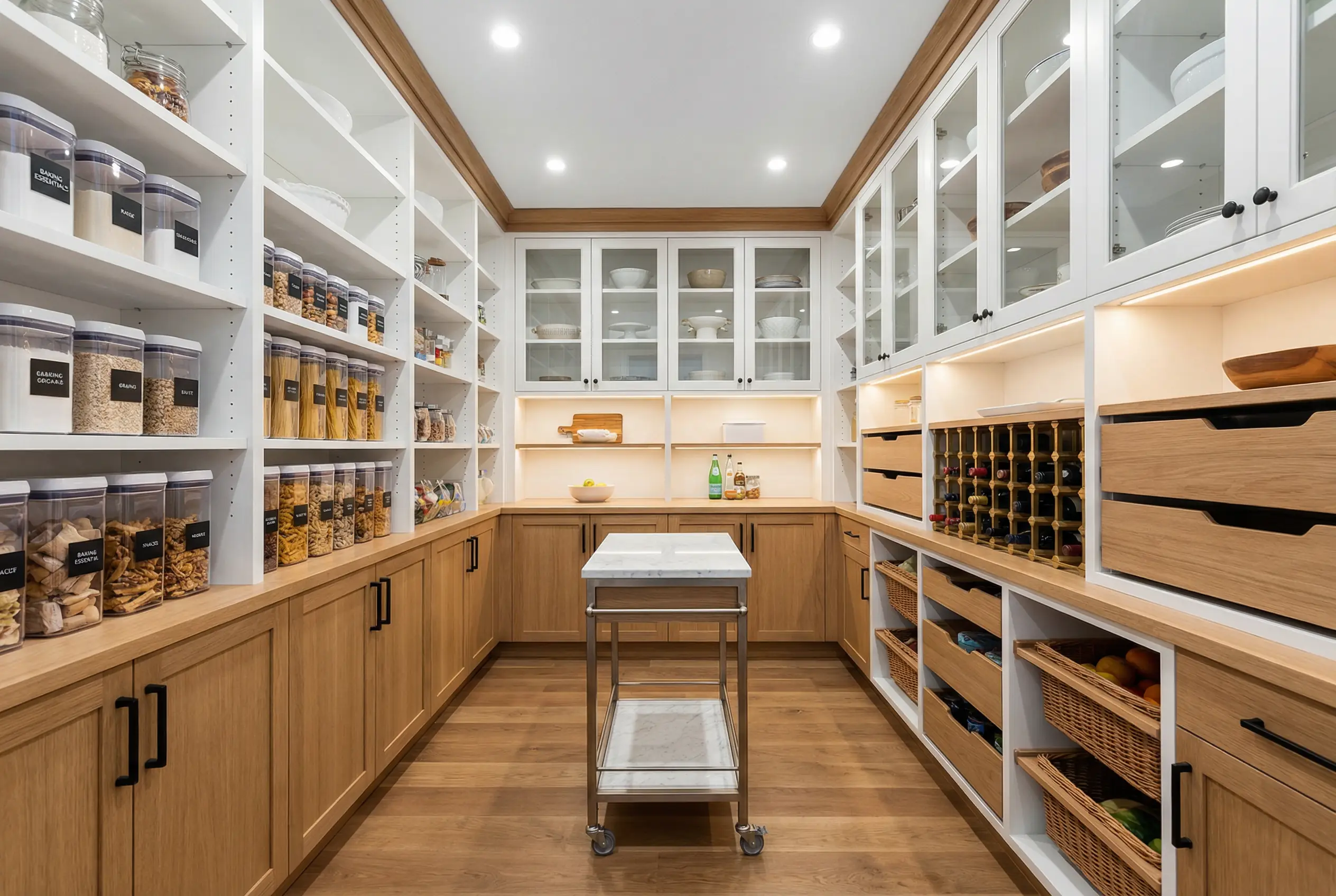
Unlike generic shelving systems or temporary organization solutions, custom millwork transforms dead space into precisely tailored storage that maximizes every vertical inch. Professional craftsmen can design pantries that accommodate your specific storage needs - whether that's wine bottle storage, pull-out spice racks, appliance garages, or dedicated zones for different food categories. The result isn't just functional; it's beautiful, adding genuine value to your Manhattan property while making daily life dramatically easier.
Ready to discover the hidden storage potential in your Manhattan kitchen? Contact KS Renovation Group for a consultation and see how custom millwork can transform your space.
Identifying Hidden Pantry Opportunities in Your Manhattan Kitchen
Dead Space That's Begging for Transformation
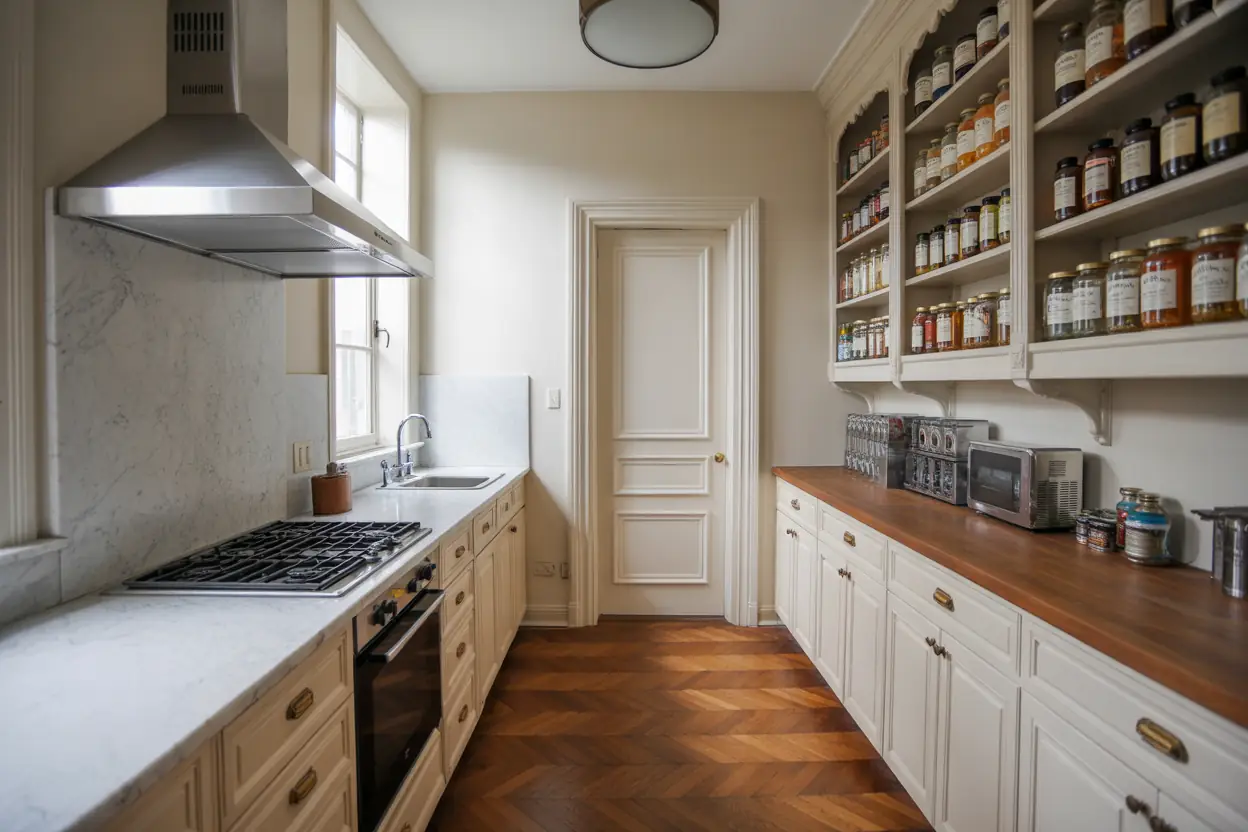
Manhattan kitchens are full of underutilized areas that most homeowners have simply accepted as awkward quirks. That narrow corridor between your kitchen and dining area? It could be a butler's pantry with floor-to-ceiling storage. The deep closet currently housing random household items? With custom shelving and proper lighting, it becomes a walk-in pantry that holds months of supplies. Even the space under staircases or beside refrigerators can be converted into valuable pantry real estate.
The key is looking at your kitchen with fresh eyes - or better yet, having a professional space planner identify opportunities you've overlooked. Often, what seems like an unchangeable layout can be reimagined through strategic reconfiguration.
Common Manhattan Kitchen Configurations
Pre-war apartments typically feature separate kitchens with potentially unused maid's quarters or service areas nearby - perfect candidates for pantry conversion. Post-war buildings often have galley kitchens with adjacent storage closets that can be opened up and redesigned. Modern luxury condos might already have pantry space allocated, but it's usually poorly designed with builder-grade shelving that wastes vertical space.
Even studio and one-bedroom apartments can incorporate pantry solutions through creative approaches like converting coat closets near the kitchen or building custom floor-to-ceiling cabinetry that doubles as a room divider.
The Space Audit Process
Before any renovation begins, a thorough space audit reveals exactly what you're working with. This involves measuring not just floor space, but ceiling heights, door swing clearances, and potential obstacles like plumbing or electrical panels. Professional designers also assess your storage needs: How many people live in your home? Do you entertain frequently? Do you buy in bulk? Are you a serious cook with specialty ingredients and equipment?
This information drives every design decision, ensuring your custom pantry isn't just beautiful - it's perfectly calibrated to how you actually live and cook.
Custom Pantry Design Solutions for Small Manhattan Spaces
Maximizing Vertical Space with Floor-to-Ceiling Storage
In Manhattan, if you're not using vertical space, you're wasting space. Custom millwork allows pantries to extend from floor to ceiling, often reaching nine feet or higher in pre-war buildings. This vertical approach can triple or quadruple your storage capacity compared to standard cabinet heights.
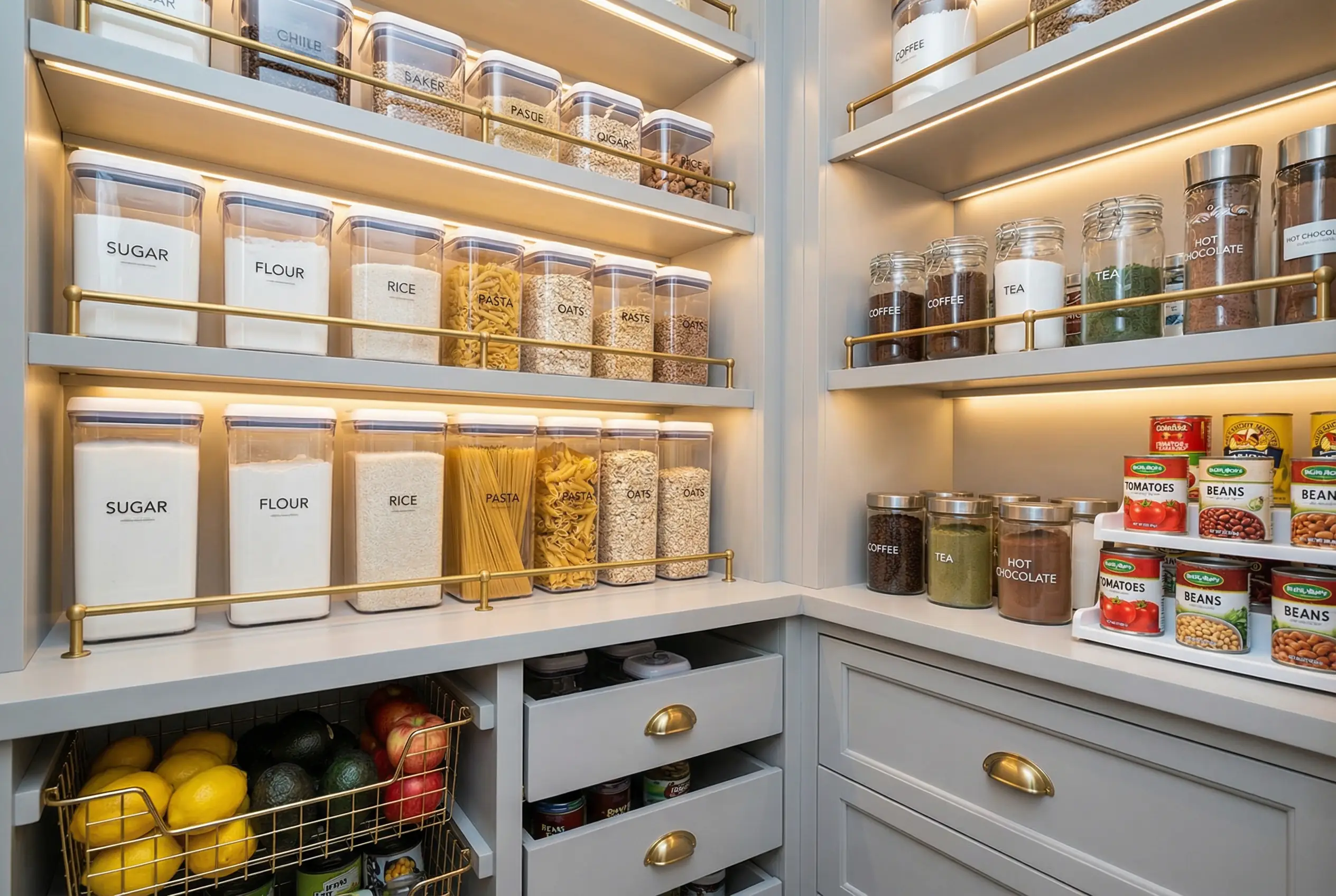
Upper shelves accommodate items used less frequently - holiday serving pieces, bulk paper goods, or seasonal ingredients. Mid-level shelving houses everyday essentials at eye level for easy access. Lower areas can feature pull-out drawers or roll-out shelves for heavier items like small appliances or beverage storage.
Pull-Out Systems and Accessibility Features
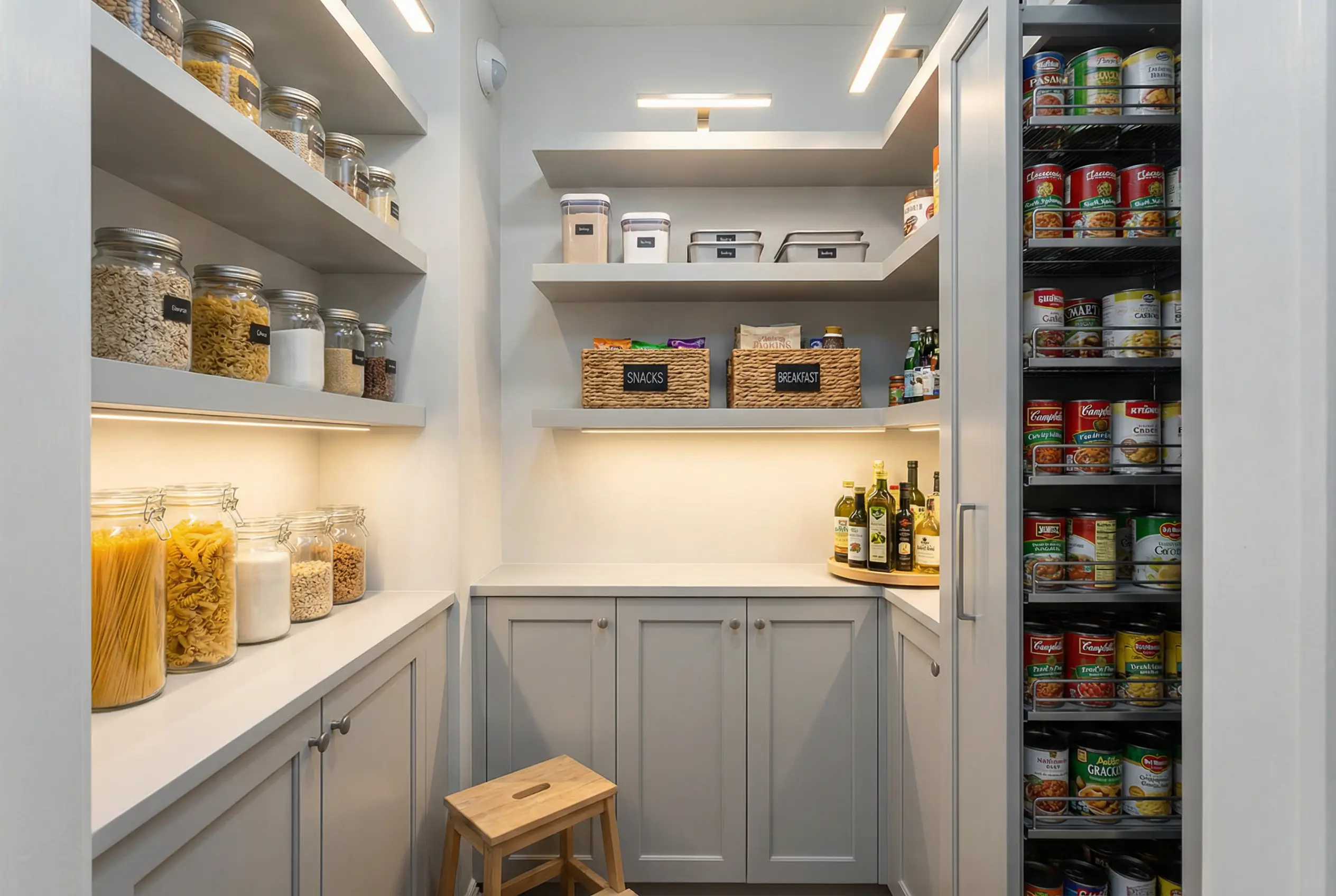
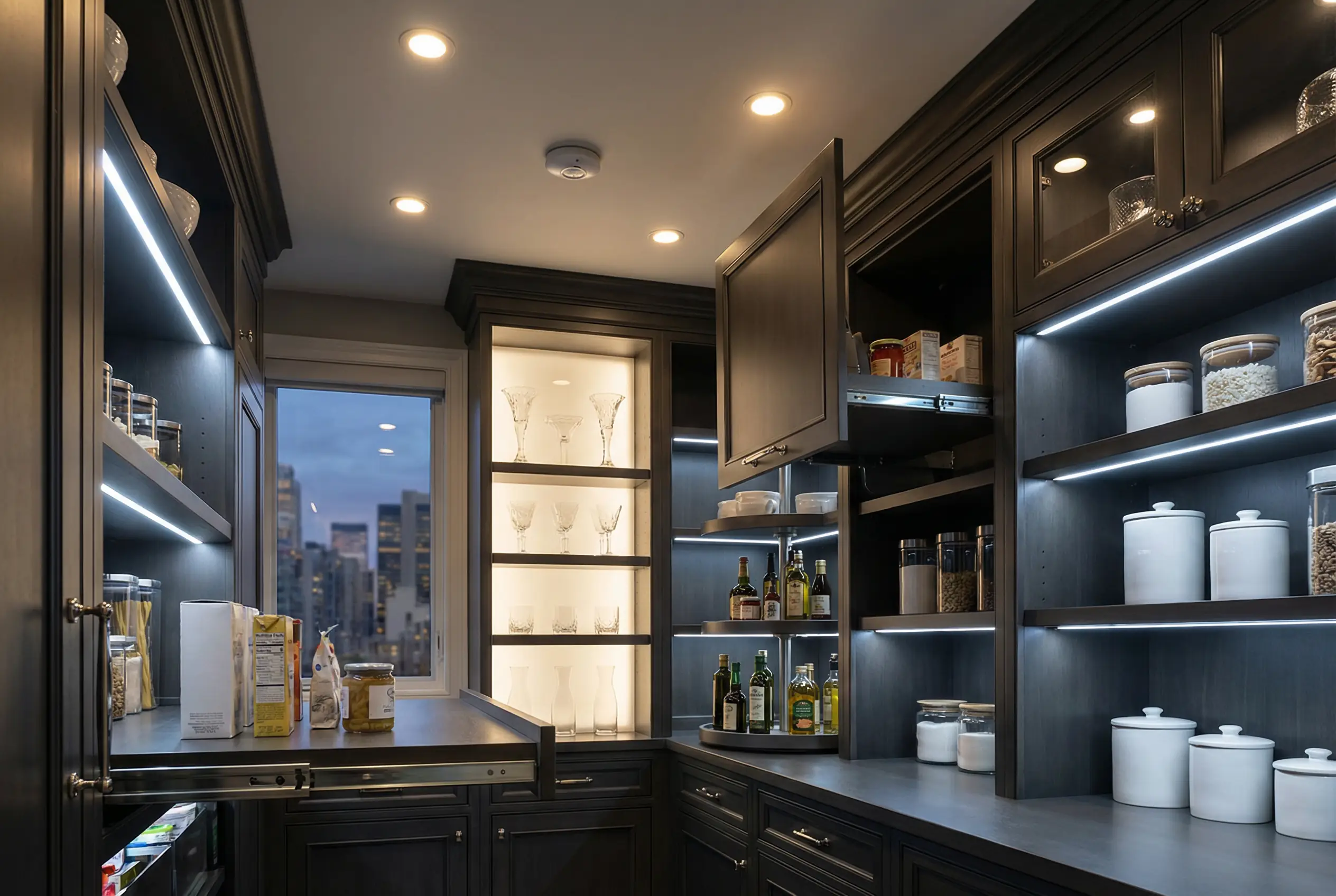
Walk-in pantries succeed or fail based on accessibility. What good is abundant storage if you can't reach or see what you own? This is where custom pull-out systems become game-changers. Deep shelves equipped with full-extension drawer glides bring back-row items forward with a simple pull. Lazy Susans in corners eliminate dead space while keeping oils, vinegars, and condiments visible and accessible.
Pull-out spice racks, tilt-out bins for onions and potatoes, and even motorized descending shelves for upper cabinets ensure that every item in your pantry is as accessible as those at arm's reach.
Specialized Storage Zones
The most effective pantries organize items by category and use. A well-designed custom pantry includes dedicated zones for baking supplies, canned goods, snacks, breakfast items, and beverages. This zoning approach means you'll never again search through random shelves wondering where you put the coffee or whether you're out of pasta.
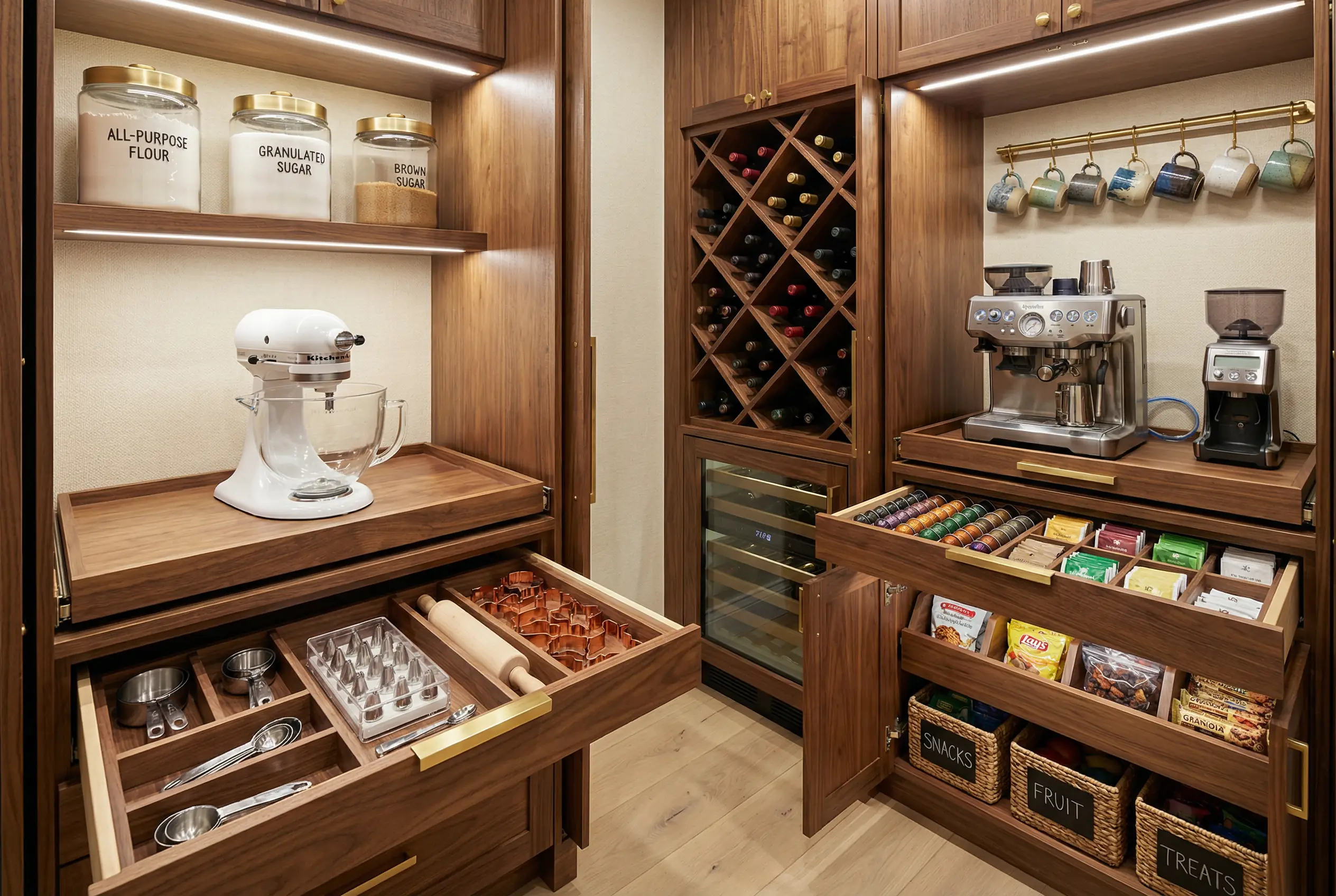
Beyond basic categories, luxury Manhattan pantries often incorporate specialized features: temperature-controlled wine storage, bread boxes with ventilation, small appliance stations with integrated outlets, and even mini-prep sinks for serious home chefs.
Lighting That Makes Everything Visible
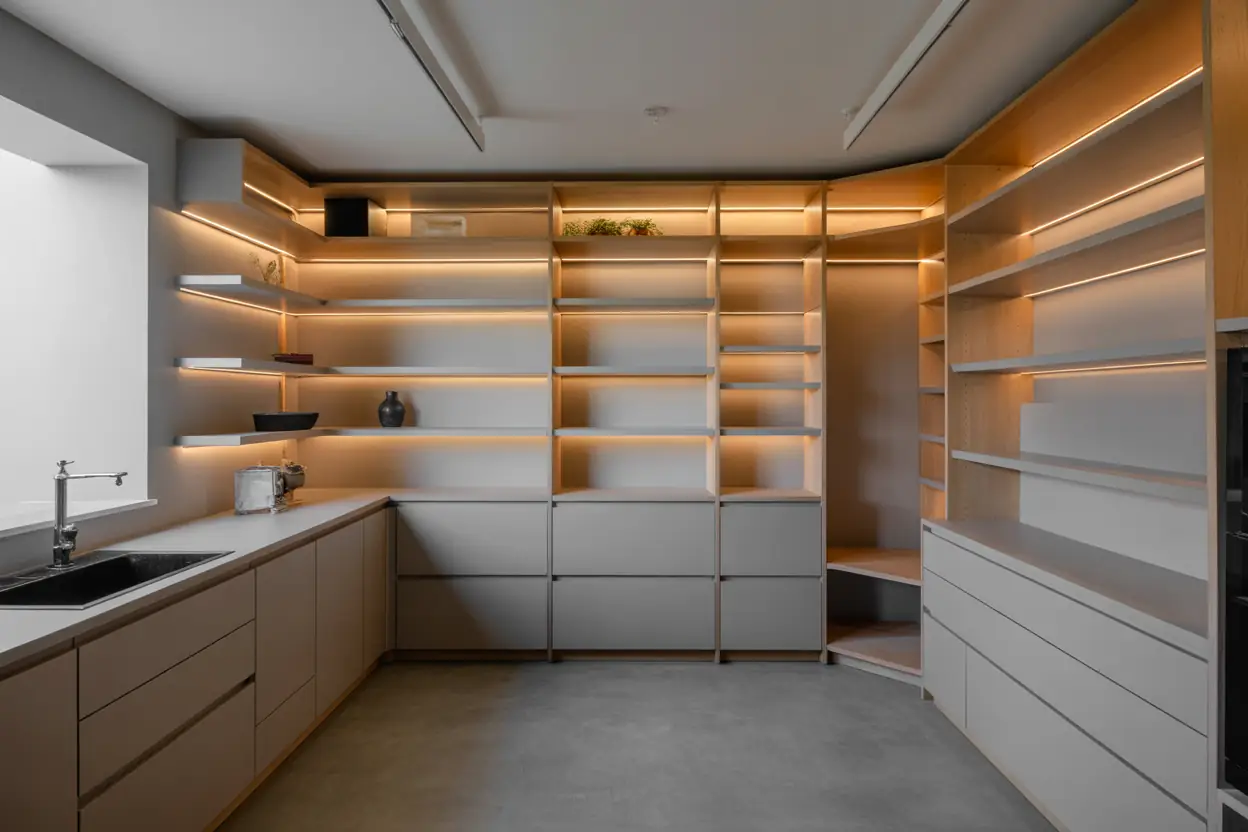
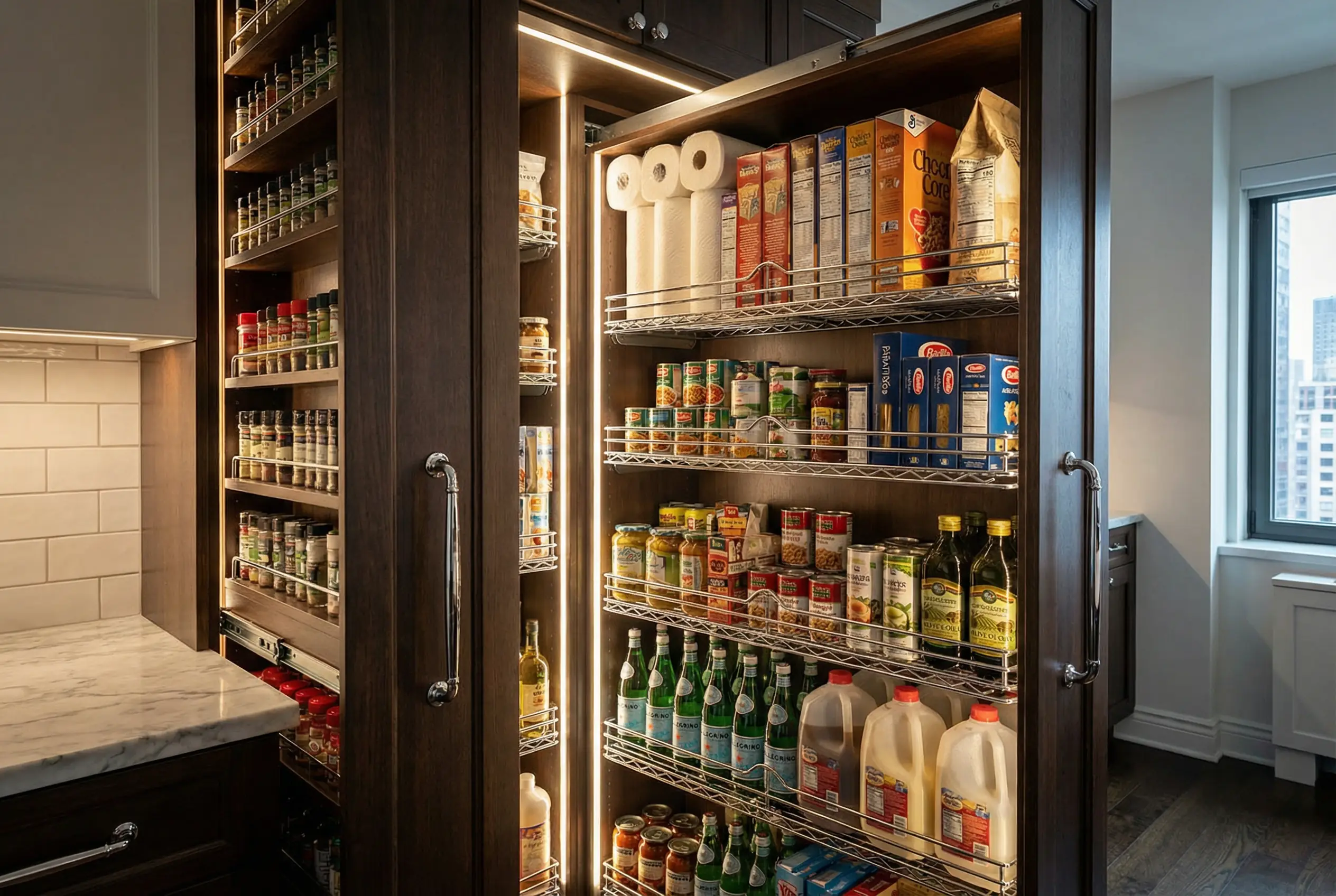
Dark pantries are useless pantries. Professional pantry design incorporates layered lighting that illuminates every shelf without creating shadows. LED strip lighting under each shelf, motion-activated ceiling fixtures, and even lighted cabinet interiors transform your pantry from a dark cave into a well-lit retail display of your culinary inventory.
The psychological impact of good lighting cannot be overstated - when you can see everything you own, you waste less food, avoid duplicate purchases, and actually enjoy the process of meal planning.
Wondering how custom millwork can work in your specific Manhattan space? Schedule a consultation with KS Renovation Group to explore your options with expert designers who understand NYC space constraints.
Before and After: Manhattan Pantry Transformations That Inspire
Upper West Side Pre-War Conversion
A classic six apartment on the Upper West Side had a small maid's room adjacent to the kitchen that had been converted into generic storage - filled with luggage, old electronics, and forgotten kitchen gadgets. The homeowners couldn't even walk into the space.
The transformation began with gutting the room and installing custom floor-to-ceiling millwork in a rich walnut finish that complemented the apartment's pre-war character. The 6x8 foot space now features pull-out drawers on the bottom for small appliances, adjustable shelving at eye level for everyday items, and upper cabinets for bulk storage. A rolling library ladder provides access to top shelves, while LED strip lighting makes every item visible.
The result? The family eliminated three kitchen cabinets' worth of clutter from their counters, stopped making emergency grocery runs for items they couldn't find, and added significant value to their apartment. The custom millwork quality also meant the pantry feels like original architecture rather than an afterthought.
Tribeca Loft Modern Minimalism
A Tribeca loft presented a different challenge: abundant space but no defined pantry area. The open-plan kitchen flowed into the living area with nowhere to hide bulk storage or cooking equipment. The solution was building a custom floor-to-ceiling unit that appeared to be a design feature rather than pure storage.
The custom millwork incorporated sleek white lacquer finishes with touch-latch doors that concealed a fully functional walk-in pantry behind what looked like a seamless wall. Inside, every inch was optimized: pull-out pantry systems, integrated spice racks, appliance garages, and even a small coffee station with plumbing.
This transformation didn't just add storage - it enhanced the loft's aesthetic while solving a major functional problem. Guests admire the clean lines and modern design without realizing they're looking at the entrance to an extraordinarily well-organized pantry system.
Chelsea Studio Smart Solutions
Even the smallest Manhattan apartments can benefit from pantry optimization. A Chelsea studio with a typical 8-foot galley kitchen had virtually no storage. The renovation team converted an underutilized coat closet near the kitchen into a compact walk-in pantry.
Despite measuring just 4x6 feet, custom millwork maximized every inch. One wall featured floor-to-ceiling adjustable shelving. The opposite wall incorporated a combination of open shelving for attractive jars and closed cabinets for less photogenic items. The back wall housed a narrow but deep pull-out pantry system that stored dozens of canned goods and dry ingredients.
The transformation freed up all the studio's kitchen cabinets for dishes and cookware, making the tiny kitchen significantly more functional. The homeowner reports spending more time cooking and feeling significantly less stressed about meal preparation.
Luxury Pantry Organization: Systems That Actually Work
The Zone Defense Approach
Professional organizers and custom designers agree: successful pantries use a zone-based organization system. Rather than randomly placing items wherever they fit, everything has a designated location based on use and category.
Baking Zone: Flours, sugars, baking powder, chocolate chips, and vanilla extract all live together, ideally near where you'd prep baked goods. Custom pull-out shelves keep everything accessible, and clear containers let you see at a glance when you're running low.
Breakfast Zone: Coffee, tea, cereals, oatmeal, and breakfast bars occupy their own section, streamlining your morning routine. If you have kids, this zone might be positioned lower for easy access.
Snack Zone: Chips, crackers, nuts, and other snacks get their own real estate, preventing them from migrating throughout the pantry and creating clutter.
Canned and Jarred Goods: A dedicated zone with tiered shelving or can dispensers ensures you can see everything you have and always grab the oldest items first.
Container Systems and Visibility
The Instagram-worthy pantries you've admired aren't just aesthetic - they're functional masterpieces. Transferring dry goods from their original packaging into uniform, clear containers serves multiple purposes: you can see exactly what and how much you have, items stack efficiently, and everything looks cohesive rather than chaotic.
Quality airtight containers protect ingredients from moisture and pests (a real concern in NYC), extend shelf life, and make the most of vertical space. Custom pantry design accounts for these containers, with shelving heights calibrated to accommodate standard container sizes without wasted vertical space.
Labels, Lists, and Inventory Management
A luxury pantry isn't complete without a clear labeling system. Whether you prefer printed labels, chalkboard tags, or electronic label makers, consistency is key. Labels should include not just the item name but also purchase dates for items with shorter shelf lives.
Progressive Manhattan homeowners are even incorporating digital inventory management - apps that track what's in your pantry, alert you when items are running low, and integrate with grocery delivery services. Some custom pantries now include tablets mounted inside the door for recipe access and inventory management.
Maintenance Systems Built In
The best-designed pantries include features that make organization maintenance effortless. Pull-out garbage and recycling bins inside the pantry mean you can immediately discard empty packages. Designated baskets for items that need to be used soon prevent food waste. A small section for shopping bags and reusable containers keeps them accessible without creating clutter.
Regular maintenance schedules become part of the rhythm: a quarterly deep clean and reorganization, monthly checks for expired items, and weekly inventory reviews to inform grocery shopping. When the system is well-designed, maintenance becomes quick and painless rather than an overwhelming project.
Ready to create a luxury pantry organization system customized for your Manhattan lifestyle? Connect with KS Renovation Group's design team to start your transformation.
The Investment That Keeps Giving: Long-Term Benefits of Custom Pantry Design
Daily Quality of Life Improvements
The impact of a well-designed walk-in pantry extends far beyond organization. Homeowners consistently report reduced stress around meal planning and preparation. When you can see your complete inventory at a glance, deciding what to cook becomes effortless. Morning routines smooth out when everyone can quickly grab breakfast items without creating bottlenecks.
The time savings add up significantly: no more digging through crowded cabinets, no more last-minute store runs for items you couldn't find, no more throwing away expired food you forgot you had. What might save fifteen minutes per day translates to nearly 100 hours per year - time better spent cooking, eating, or doing anything other than searching for pantry items.
Financial Benefits Beyond Resale Value
While custom millwork undoubtedly increases your home's resale value, the financial benefits begin immediately. Organized pantries dramatically reduce food waste - when you can see everything you own, you use what you have before it expires. Bulk buying becomes practical when you have proper storage, leading to significant grocery savings over time.
You'll also stop making duplicate purchases. How many times have you bought paprika or vanilla extract because you couldn't find the one you already owned? Multiply these small wastes across dozens of items, and the savings become substantial. Many homeowners report that their custom pantry investment pays for itself within a few years purely through reduced waste and smarter purchasing.
Health and Wellness Impact
An organized pantry promotes healthier eating habits. When healthy ingredients are visible and accessible, you're more likely to use them. When your pantry is chaotic, you gravitate toward convenient but less nutritious options or resort to takeout.
Proper storage also preserves food quality - airtight containers keep ingredients fresh longer, and proper organization means items get used while still at peak quality. For families with dietary restrictions or allergies, dedicated zones for specific food types prevent cross-contamination and make meal preparation safer and easier.
The Sustainability Angle
Custom pantry design aligns perfectly with sustainable living principles. When you waste less food, buy more intelligently, and store items properly to extend their useful life, you're reducing your environmental footprint. Bulk purchasing reduces packaging waste, and better organization means you're less likely to trash perfectly good food that got lost in the back of a cabinet.
Quality custom millwork itself is a sustainable choice - built to last decades rather than years, these installations don't need replacing like cheaper alternatives. Many Manhattan homeowners choose sustainably sourced woods and low-VOC finishes, creating pantries that are both beautiful and environmentally responsible.
Property Value in Manhattan's Competitive Market
In Manhattan's real estate market, where buyers scrutinize every detail, a custom walk-in pantry with professional millwork stands out dramatically. It signals that the home has been thoughtfully upgraded with quality materials and craftsmanship. Real estate agents consistently note that homes with exceptional storage solutions - particularly custom pantries - command higher prices and sell faster.
Beyond pure resale value, a custom pantry makes your home more livable during the years you're actually living there, which is perhaps the most important return on investment of all.
Conclusion: Your Manhattan Kitchen Deserves Better Storage
The chaos of inadequate kitchen storage doesn't have to be an accepted reality of Manhattan living. Somewhere in your home - perhaps in that cluttered closet, that awkward alcove, or that underutilized corridor - there's an opportunity to create the walk-in pantry you've been dreaming about. The question isn't whether it's possible, but whether you're ready to make the investment in daily quality of life that a custom pantry provides.
The transformation from frustrated cook to confident culinary enthusiast often hinges on something as simple as being able to find your ingredients and access your tools without hassle. When your pantry works for you rather than against you, everything else falls into place: healthier eating, less waste, more time with family, and the genuine pleasure of cooking in a space that functions beautifully.
As you embark on this new year with fresh intentions to organize and optimize your living space, consider that a custom walk-in pantry isn't just about storage - it's about reclaiming your time, reducing daily stress, and creating a kitchen environment that truly supports how you want to live. Manhattan's space constraints are real, but they're not insurmountable. With expert custom millwork and thoughtful design, your kitchen can deliver the storage and functionality you deserve.
Don't spend another year fighting with inadequate kitchen storage. Contact KS Renovation Group today to schedule your consultation and discover how custom pantry design can transform your Manhattan kitchen. Our expert team specializes in creating beautiful, functional storage solutions tailored to NYC's unique space challenges.
Frequently Asked Questions
Q: How much space do I actually need for a walk-in pantry in my Manhattan apartment?
A: You might be surprised by how little space is required for an effective walk-in pantry. While larger is always better, even a 4x6 foot closet can be transformed into highly functional pantry space through expert custom millwork. The key is maximizing vertical space and incorporating smart storage solutions like pull-out shelves and adjustable systems. During a professional consultation, designers can assess your specific space and show you exactly how much storage capacity can be created in areas you might have dismissed as too small.
Q: Can a custom walk-in pantry be added without major structural renovation?
A: In many cases, yes. The most common Manhattan pantry transformations involve converting existing closets or underutilized spaces rather than moving walls or doing extensive structural work. This makes custom pantry projects more accessible and less disruptive than you might expect. However, each space is unique, and sometimes minor modifications like relocating a door or adjusting electrical can significantly improve the final result. A thorough assessment by experienced renovation professionals will determine exactly what's possible in your specific situation.
Q: How do I maintain organization in my custom pantry after it's installed?
A: The beauty of well-designed custom pantry systems is that they make maintenance relatively effortless. When every item has a designated home and everything is visible and accessible, you'll naturally maintain organization. Establish simple habits like returning items to their zones immediately after use, doing a quick 10-minute tidy-up weekly, and a quarterly deep clean and inventory check. Many homeowners find that the initial investment in quality containers and labeling systems pays off exponentially in making ongoing maintenance nearly automatic.
Q: What are the most important features to include in a Manhattan custom pantry?
A: The essential features depend on your specific needs, but most successful Manhattan pantries include floor-to-ceiling storage to maximize vertical space, pull-out shelving systems for accessibility, excellent LED lighting throughout, and a combination of adjustable shelving and fixed solutions for versatility. Beyond these basics, consider your lifestyle: serious home chefs might want integrated outlets for small appliances, wine enthusiasts need proper bottle storage, and families with children benefit from lower-positioned zones for kid-accessible snacks and breakfast items.
Q: Will a custom pantry project disrupt my entire kitchen during construction?
A: One of the advantages of pantry-focused renovations is that they're typically far less disruptive than full kitchen remodels. If you're converting a nearby closet or building out an adjacent space, much of the work can be completed without rendering your kitchen unusable. Professional renovation teams work efficiently to minimize disruption, often completing pantry projects in days rather than weeks. During your consultation, you'll receive a clear timeline and understand exactly what to expect in terms of access to your kitchen during the project.

You may also be interested
KS Renovation Blog
Get Inspired
Meaningful information about home remodeling for the true NYC homeowners.

OUr Clients Say

William Plotch
amy schorr
gberaka
NYC kitchen remodeling Projects and more


