
Fast Co-Op Board Approval NYC: 4-6 Week Manhattan Renovation Guide
Picture this: You're envisioning the kitchen of your dreams or that spa-like bathroom renovation you've been planning for months. The vision is crystal clear, the Pinterest boards are overflowing with inspiration, but there's one formidable gatekeeper standing between you and your dream space - your co-op board.
If you're a Manhattan co-op owner, you know the drill. That alteration agreement isn't going to approve itself, and the horror stories are legendary: applications languishing for months, rejections over minor technicalities, and dreams deferred indefinitely. But here's the truth that most renovation contractors won't tell you: while most co-op board approvals take 8-12 weeks, getting approved in 4-6 weeks is entirely achievable when you know exactly what boards are looking for.
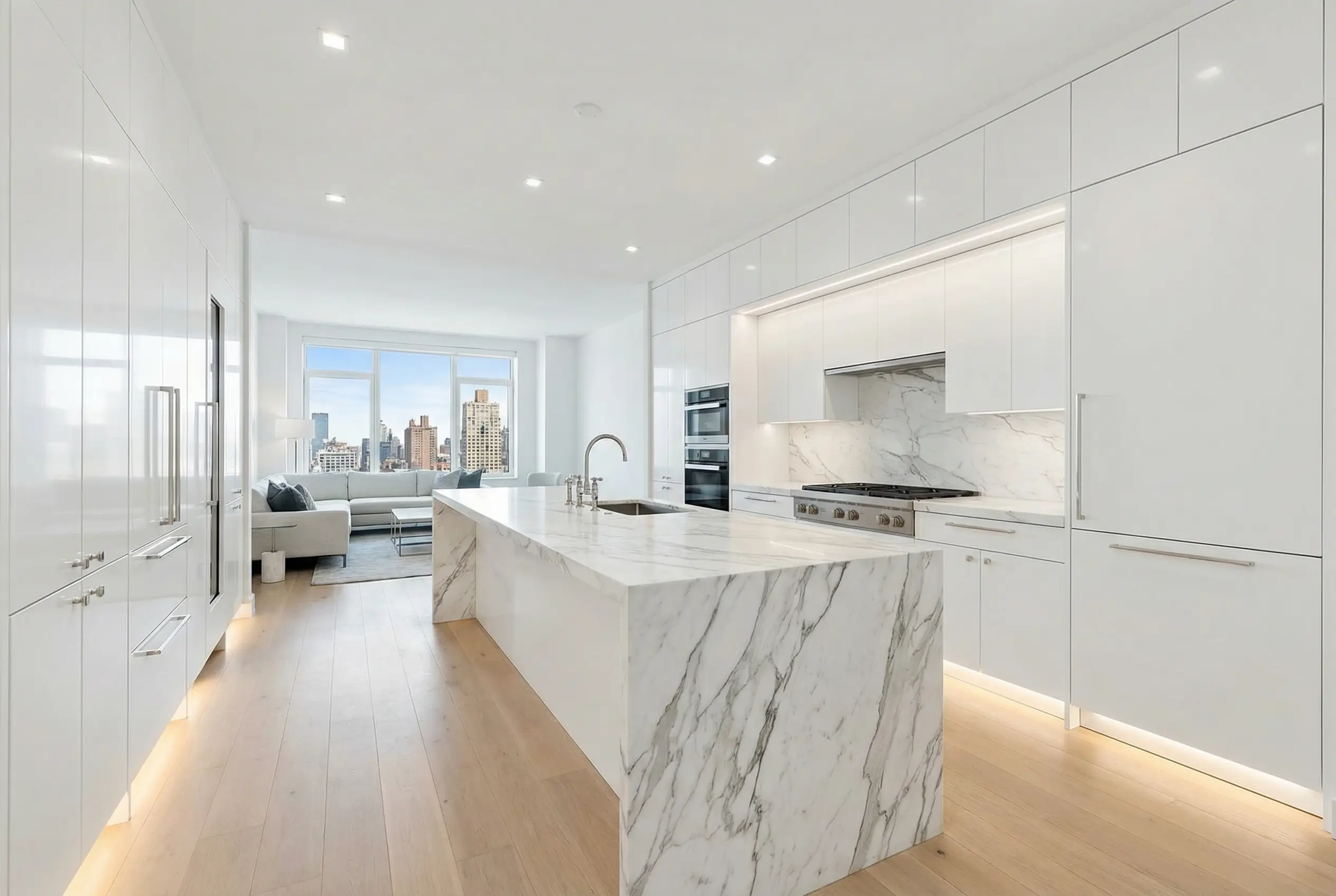
After managing hundreds of successful Manhattan renovations, we've cracked the code on fast-tracking co-op board approvals. The difference between a 4-6 week approval and a 4-month nightmare? It's not luck - it's preparation, precision, and understanding the unwritten rules that govern every co-op board in the city.
As you're planning the renovation that will transform your space, let's make sure your co-op board becomes your ally, not your adversary. Here's your insider's guide to navigating the alteration agreement process with speed and confidence.

Understanding the Co-Op Board Approval Timeline in Manhattan
Why 4-6 Weeks Should Be Your Target
Most Manhattan co-op owners are told to expect 8-12 weeks for board approval, but this extended timeline is often the result of incomplete applications and preventable mistakes. Co-op boards typically meet monthly, and if you miss that meeting window due to paperwork issues, you've automatically added 4-6 weeks to your timeline. The key is submitting a bulletproof package the first time.
The 4-6 week fast track works like this: Week 1-2 is for gathering documentation and assembling your board package. Week 3 involves submission and initial board review by the managing agent. Week 4-5 typically includes board meeting review and any follow-up questions or clarifications. By Week 6, you're receiving formal approval and can begin coordinating logistics. This timeline respects the board's monthly meeting schedule while ensuring your application is first on the agenda - not buried under a pile of incomplete submissions.
For straightforward cosmetic renovations with perfect documentation, some buildings may expedite approval in as little as 3-4 weeks. However, complex projects involving structural changes, major plumbing relocations, or extensive electrical work typically require the full 6-8 weeks even with flawless preparation.

The Real Cost of Delays
Every week your renovation is delayed costs you more than just time. Contractor schedules shift, material prices fluctuate, and your living situation remains in limbo. Perhaps most frustrating is watching the ideal renovation season - spring and early summer - slip away because your application sat in bureaucratic purgatory. Understanding what boards need upfront eliminates these costly delays and keeps your project on the fast track.
What Boards Are Actually Evaluating
Co-op boards aren't trying to make your life difficult - they're protecting the building's structural integrity, maintaining property values, and ensuring minimal disruption to neighbors. When they review your alteration agreement, they're asking three fundamental questions: Will this renovation compromise the building's structure or systems? Has the applicant demonstrated they'll work with qualified, insured professionals? Is there a clear plan to minimize noise, dust, and disruption? Answer these questions comprehensively in your initial submission, and you're already ahead of 80% of applicants.
The Complete Board Package Preparation Checklist
Essential Documents Every Application Needs
Your board package is your renovation's resume, and like any resume, completeness matters more than volume. Start with architect's plans - not sketches, but properly scaled, stamped drawings showing existing conditions and proposed changes. Include floor plans, elevations, and any structural modifications with engineer certifications where required.
Next, compile your contractor's documentation. This means a Certificate of Insurance naming the building as additionally insured (most boards require $1-2 million general liability coverage), Workers' Compensation insurance, a signed contractor agreement, and references from recent projects - preferably in Manhattan co-ops. Add your building's alteration agreement filled out completely, a detailed work schedule including hours and estimated duration, and a comprehensive scope of work that leaves no question unanswered.
Don't forget the often-overlooked items: DOB permits (or applications for them), lead paint and asbestos inspection reports if you're working in a pre-1980 building, a construction timeline with specific start and end dates, and neighbor notification letters. The professional renovation team at KS Renovation Group knows exactly which documents your specific building requires and prepares them proactively.
How to Present Your Plans Like a Pro
Presentation quality signals professionalism. Organize your package with a detailed table of contents, use tabs to separate sections, and ensure all pages are clearly labeled with your apartment number and the document name. Boards review dozens of applications - make yours easy to navigate.
Include a cover letter that summarizes the project in plain English, emphasizes your commitment to following building rules, and provides your contact information along with your architect's and contractor's details. This letter should be professional but personable, acknowledging the board's responsibility while expressing your excitement about improving your home and, by extension, the building's value.

The Insurance and Licensing Documentation That Makes or Breaks Applications
This is where most applications fail. Contractors must provide current, valid insurance certificates - not expired ones from last year's job. The building must be listed as "additionally insured" and "certificate holder." Your contractor needs to provide their license numbers, business registration, and proof of bonding.
Additionally, every tradesperson who enters the building - plumbers, electricians, HVAC specialists - needs to be licensed in New York City. Include copies of all relevant licenses in your package. Buildings want assurance that if something goes wrong, there's insurance coverage and licensed professionals they can hold accountable.
Insider Strategies to Expedite Co-Op Board Approval
Pre-Submission Consultations That Save Weeks
Here's an insider secret: most co-op boards or their managing agents will conduct a pre-submission consultation if you ask. Schedule a 15-minute call with your building manager 8-10 weeks before your planned start date. Ask about specific requirements, recent application rejections and why they occurred, typical processing timelines, and any building-specific concerns.
This conversation is gold. You'll learn if your building has recently had water damage issues and is therefore hypersensitive about bathroom renovations, or if a past contractor left a bad impression and now the board scrutinizes contractor credentials more carefully. KS Renovation Group regularly conducts these pre-consultations on behalf of clients, leveraging established relationships with building managers across Manhattan.
The "No Surprises" Communication Approach
Boards hate surprises. If there's anything potentially controversial about your renovation - like wanting to work slightly outside standard hours or planning to remove a wall that might raise structural questions - address it head-on in your application. Explain why it's necessary, what precautions you're taking, and how you'll mitigate any concerns.
For example, if you need to start work at 8 AM instead of 9 AM to accommodate a specialist's schedule, explain this clearly and show how you've notified neighbors directly. This transparency builds trust and prevents the automatic "no" that comes from perceived attempts to sneak something past the board.
Building Relationships with Managing Agents
Your building's managing agent is the gatekeeper to board approval. They review packages before the board sees them and often have significant influence on recommendations. Treat them as partners, not obstacles. Respond to their emails immediately, provide additional documentation cheerfully, and express appreciation for their guidance.
A managing agent who likes working with your team will flag potential issues before they become problems and might even advocate for your application to the board. Conversely, an antagonized managing agent can find procedural reasons to delay your application indefinitely.
When to Submit Your Application for Fastest Processing
Timing matters enormously. Submit your application 3-4 weeks before the board's regular monthly meeting to ensure it makes that month's agenda and allows time for managing agent pre-review. Avoid submitting during the December holidays or August when many board members are traveling. The ideal submission windows are September through November and January through June.
Also consider your building's rhythm. If there's a major building project happening, the board's attention is divided. If possible, submit during quieter periods when your application can receive full attention. Missing a board meeting by even one day can push your approval back an entire month.
Common Rejection Reasons and How to Avoid Them
The Top 5 Application Killers
After reviewing hundreds of co-op applications, certain rejection patterns emerge with striking consistency.
Number one: incomplete contractor insurance documentation. Either the certificate is expired, the building isn't listed as additionally insured, or coverage amounts are insufficient. Solution? Verify every detail before submission and confirm the insurance is valid for at least 30 days beyond your submission date.
Number two: vague or incomplete scope of work. Applications that say "update kitchen" without specifying whether you're moving plumbing, removing walls, or just replacing cabinets raise immediate red flags. Boards can't approve what they don't understand. Provide exhaustive detail - if you're doing it, list it.
Number three: missing structural engineer approval for wall removal or modifications. If you're touching anything structural, you need an engineer's stamp. No exceptions, even for non-load-bearing walls.
Number four: inadequate noise and dust mitigation plans. Buildings want specific protocols - not generic statements about "minimizing disruption."
Number five: contractor without co-op experience or verifiable references from similar Manhattan buildings. Boards prefer contractors who understand co-op rules and have a proven track record.
How to Address Structural Concerns Proactively
If your renovation involves any structural modifications - removing walls, cutting floor joists, adding weight from heavy materials - address it comprehensively upfront. Hire a structural engineer to evaluate and stamp your plans. Include photos of the existing conditions. Provide a detailed explanation of the structural modifications and why they're safe.
Consider including a structural report that explicitly states: "The proposed modifications will not compromise the building's structural integrity and comply with all applicable building codes." This level of proactive engineering review eliminates the board's primary concern and demonstrates professional-level planning that accelerates approval.
The Noise and Dust Mitigation Plan Boards Want to See
Generic statements like "we'll minimize noise and dust" don't cut it. Boards want specifics. Detail your construction hours (typically 9 AM - 5 PM weekdays, limited or no weekends depending on building rules), dust containment procedures (floor-to-ceiling plastic barriers with zippered access, HEPA air scrubbers running continuously, daily cleaning protocol), noise reduction strategies (rubber mats under equipment, no radio or loud music, advance notice for particularly noisy work like jackhammering), and neighbor notification timeline (we'll inform adjacent, above, and below units 1-2 weeks before start date with our contact information).
Include your plan for debris removal (frequency, specific route through the building, protection of common areas, elevator padding), bathroom facilities for workers (if building requires porta-potty rental or if workers can use unit facilities), and a designated contact person available during all work hours for complaints or concerns. The more detailed your plan, the more confident the board feels that you're prepared for the realities of construction in a shared building.
Why Some Contractors Get Auto-Rejected
Certain red flags auto-reject contractors before boards even review the full application: expired or insufficient insurance, no proper business registration or NYC contractor license, history of complaints in the building or sister properties, unlicensed subcontractors or workers, previous DOB violations or stop-work orders, or inability to provide recent references from Manhattan co-op projects.
Boards share information, and a contractor with a bad reputation in one co-op building will struggle in others across the city. This is why working with an established, reputable renovation firm matters tremendously. KS Renovation Group brings a track record of successful co-op projects, established relationships with managing agents, and the professional documentation that boards trust. Our streamlined approval process helps most clients achieve board approval within the 4-6 week target timeline.

Post-Approval: Maintaining Good Standing Throughout Your Renovation
The Approval Letter and What Comes Next
Congratulations - you got approved! But approval comes with conditions that are legally binding. Read your approval letter carefully. It will specify permitted work hours, insurance requirements that must remain current throughout the project, inspection protocols, mandatory neighbor notification obligations, and any project-specific conditions your board has imposed. Violating any condition can result in immediate stop-work orders and potential fines ranging from $500 to several thousand dollars.
Schedule a kickoff meeting with your building manager within one week of receiving approval to review expectations, confirm the move-in/move-out elevator schedule and any restrictions, discuss building-specific protocols like where workers can enter and common area protection, and establish a primary contact for any issues. This meeting sets the tone for a smooth renovation process and demonstrates your professionalism.
Managing Board Relations During Construction
Your renovation's success depends on maintaining positive board relations throughout construction. Consider submitting brief weekly progress reports to the managing agent, even if not required - a simple email noting "Week 3: demo complete, plumbing rough-in 60% done, on schedule" goes a long way. Respond immediately to any complaints or concerns, even if you believe they're unfounded. If something unexpected arises requiring plan modifications, notify the board immediately through proper channels - don't just proceed and hope they don't notice.
Keep common areas immaculate. Nothing antagonizes boards and neighbors faster than construction debris in hallways, dust on lobby surfaces, or dirty elevators. Ensure your contractor cleans up thoroughly at the end of each work day and protects all building surfaces during material transport with proper padding and coverings.
What to Do If Issues Arise Mid-Project
Despite best planning, issues sometimes emerge during construction. Unexpected structural conditions behind walls might require plan modifications. Timelines might extend beyond original estimates due to supply chain delays or unforeseen conditions. Equipment might fail, causing delays. The key is immediate, transparent communication with documentation.
If you need a plan modification, submit a formal amendment request with revised drawings and engineering approvals if applicable, explain clearly what changed and why, and provide timeline impact. If you need to extend your timeline, notify the board in writing as soon as you know, explain the reason (with supporting documentation if possible), provide a firm new completion date with buffer, and apologize for the extension. Boards are remarkably understanding when you communicate proactively and professionally - and remarkably punitive when they feel deceived or disrespected.
Scheduling Final Inspections and Closing Out
As your renovation nears completion, schedule any required DOB final inspections promptly and obtain sign-offs. Provide the board with completion documentation including final photos showing completed work, final inspection approvals from DOB if applicable, updated insurance certificates showing continued coverage through project closeout, and confirmation that all workers and equipment have been removed. Submit a formal project completion letter requesting return of your security deposit and thanking the board and managing agent for their cooperation.
This professional closeout ensures you maintain good standing for any future projects and leaves the door open for smooth approvals down the line. It also demonstrates respect for the process, which boards remember when you or future buyers want to renovate again.

Ready to Transform Your Manhattan Co-Op?
Getting co-op board approval doesn't have to be the nightmare you've heard about in the building's elevator gossip. With proper preparation, complete documentation, and insider knowledge of what boards really want to see, you can achieve approval in 4-6 weeks and transform your renovation dreams into reality this season.
The difference between a smooth approval and a bureaucratic ordeal often comes down to one factor: working with professionals who've mastered the co-op approval process. Every week of delay pushes your renovation further into the busy season, potentially affecting contractor availability, material lead times, and your living situation.
Don't let your renovation plans gather dust while your application languishes. The expert team at KS Renovation Group has successfully navigated hundreds of Manhattan co-op board approvals with a proven track record of first-time approvals. We know exactly what your specific building requires, we maintain relationships with managing agents throughout Manhattan, and we prepare comprehensive board packages that get approved efficiently.
This planning season, give yourself the gift of certainty and a realistic timeline. Contact KS Renovation Group today for a complimentary consultation about your renovation project. We'll review your co-op's specific requirements, provide a realistic timeline for board approval based on your building's schedule and project complexity, and show you exactly how we'll fast-track your application while maintaining the highest professional standards. Your dream space is closer than you think - let's get started with a clear, honest roadmap to approval.
Frequently Asked Questions
How long does co-op board approval really take in Manhattan?
The typical timeline for Manhattan co-op board approval is 4-8 weeks for straightforward renovations with complete, professionally prepared applications. This timeline accounts for managing agent pre-review (1-2 weeks), board meeting schedules (boards typically meet monthly), and any follow-up questions. Simple cosmetic updates with perfect documentation may be approved in 3-4 weeks, while complex projects involving major structural changes, extensive plumbing relocations, or whole-apartment gut renovations typically require 6-10 weeks even with flawless preparation. The single biggest factor affecting timeline is application completeness - incomplete packages often result in 8-16 week delays as they miss board meeting cycles.
What happens if my co-op board rejects my renovation application?
Rejection isn't the end - it's feedback for improvement. Most rejections result from fixable issues: incomplete documentation, insufficient insurance coverage, unclear plans, or missing engineer approvals rather than opposition to the renovation concept itself. Request specific written feedback about why your application was rejected, address each concern comprehensively with additional documentation or plan revisions, and resubmit with all corrections clearly noted. Most boards will reconsider corrected applications at their next monthly meeting. Working with an experienced renovation contractor who understands co-op requirements dramatically reduces rejection risk. If you face repeated rejections for what seems like a reasonable project with all proper documentation, consult a real estate attorney familiar with co-op law, as boards do have limits on their discretionary authority.
Do I need an architect for a simple kitchen or bathroom renovation?
While not legally required for purely cosmetic updates (painting, cabinet replacement without moving locations, fixture swaps), having professional architectural drawings significantly increases approval odds and speed for virtually any renovation. Most Manhattan co-op boards expect scaled, professional drawings even for "simple" renovations because they need to verify you're not inadvertently affecting plumbing stacks, electrical systems, building structure, or neighboring units. If you're moving any plumbing fixtures, relocating electrical outlets, removing any walls (even non-structural), changing window treatments, or making any changes that require DOB permits, professional architectural drawings become essential and non-negotiable. The investment in proper architectural plans (typically $2,000-$5,000 for simple projects) pays for itself many times over by preventing rejections, delays, and ensuring code compliance.
Can I start my renovation before receiving full board approval?
Absolutely not, under any circumstances. Starting work before receiving written board approval is a serious violation that can result in immediate stop-work orders, fines ranging from $1,000-$10,000 or more, potential legal action from your co-op, and in extreme cases, the board may require you to restore everything to original condition at your expense (even completed work). Some boards may even restrict your ability to submit future renovation applications. Even minor work like painting, installing temporary fixtures, or moving furniture should wait until you have written approval in hand. The only permitted pre-approval activities are planning that doesn't involve physical work in the apartment - meeting with contractors, shopping for materials, finalizing designs. Once you receive your approval letter, verify the official permitted start date specified in the letter and any pre-work requirements (like certificate delivery) before beginning any physical work.
What should I do if my neighbors complain during the renovation?
First, respond immediately and professionally - within hours if possible, not days. Acknowledge their concern sincerely, apologize for any disruption, and explain what specific work is being done and when it will be completed. Verify immediately that you're following all board-approved hours and protocols. If you are following the rules, notify your managing agent of the complaint and your response to document the situation. If you've inadvertently violated a rule (work started too early, excessive dust in hallway, loud music), correct it immediately, notify the board proactively about the violation and correction, and implement additional measures to prevent recurrence. Document all communications in writing. Consider goodwill gestures - a brief handwritten note apologizing for the inconvenience with your direct contact information, or for prolonged projects affecting immediate neighbors, a small gift card with an apology can significantly defuse tensions. Remember, you'll continue living in this building after the renovation, so maintaining positive neighbor relationships matters beyond just completing your project. Most neighbor complaints arise from lack of communication rather than the work itself.

You may also be interested





KS Renovation Blog
Get Inspired
Meaningful information about home remodeling for the true NYC homeowners.

OUr Clients Say

William Plotch
amy schorr
gberaka
NYC kitchen remodeling Projects and more


