
Manhattan Custom Closets: Maximize Vertical Space in Bedrooms
Manhattan bedrooms are notorious for one thing: there is never enough room. Yet if you look up - really look up - you'll notice something remarkable. Soaring pre-war ceilings. Generous loft heights. In newer builds, nine- and ten-foot walls that stretch toward potential most homeowners simply leave untapped.
While the average freestanding wardrobe stops at six feet and dead air collects above it, floor-to-ceiling custom closets capture every vertical inch your apartment already has - transforming what was once wasted space into a curated, functional system that works as beautifully as it looks.
Spring is the season New Yorkers tackle organization projects in earnest. And this year, the smartest move isn't buying more storage bins - it's investing in a built solution engineered precisely for your space. This guide walks you through everything you need to know about floor-to-ceiling wardrobe design in Manhattan bedrooms, from structural considerations to finish selections, so you can make a confident decision before the first panel goes up.
Ready to reclaim your bedroom? KS Renovation Group specializes in luxury custom closets and built-in millwork throughout Manhattan. Visit ksrenovationgroup.com to explore our work and start your project today.
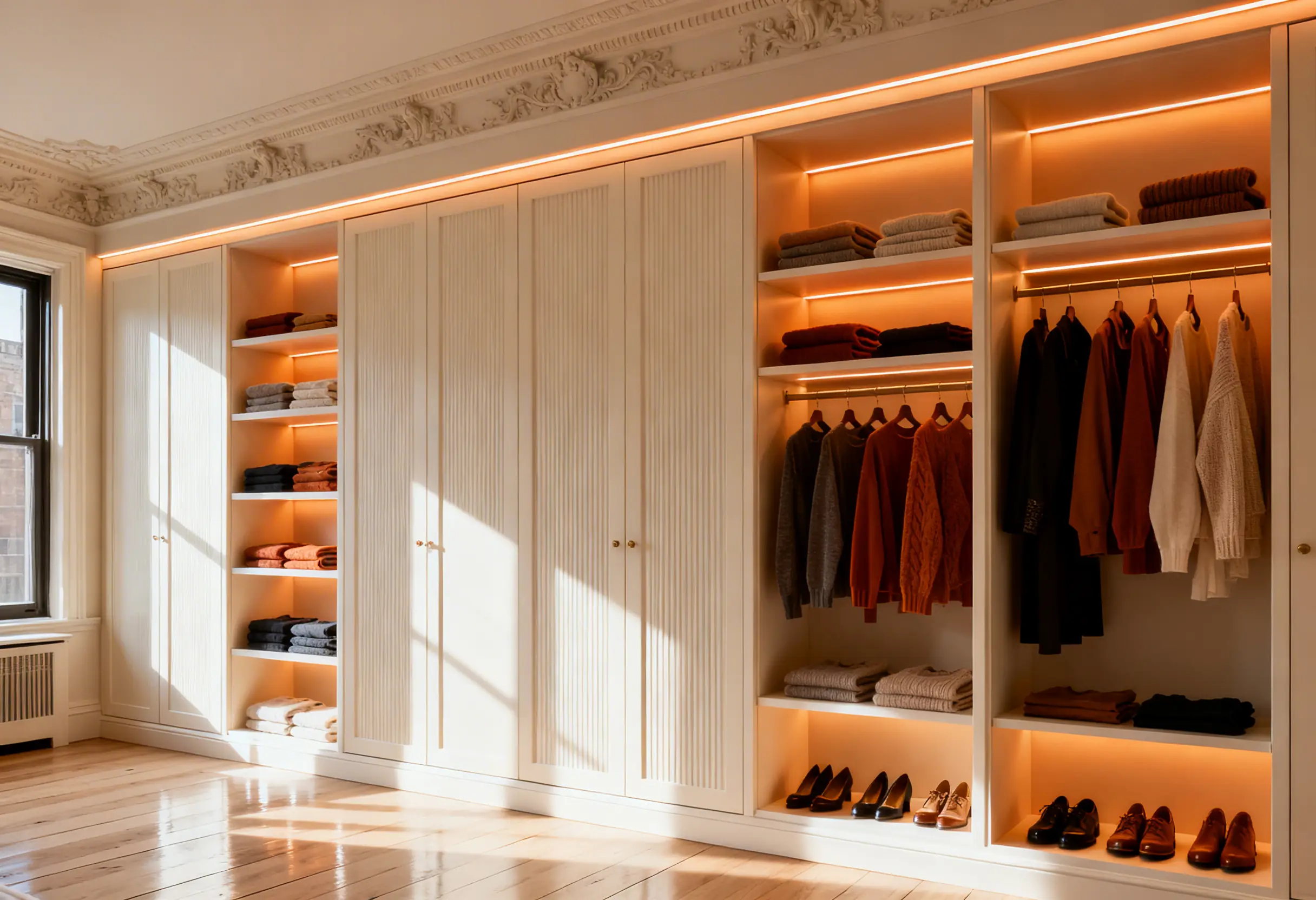
Why Manhattan Ceilings Are Your Greatest Untapped Storage Asset
Before we talk design systems, let's talk geometry. Manhattan apartments - particularly pre-war co-ops, brownstones, and converted loft buildings - routinely feature ceiling heights between 9 and 14 feet. Even modern construction in neighborhoods like Hudson Yards and the Upper West Side delivers 9-foot standard heights. That vertical footage is yours. The question is whether you're using it.
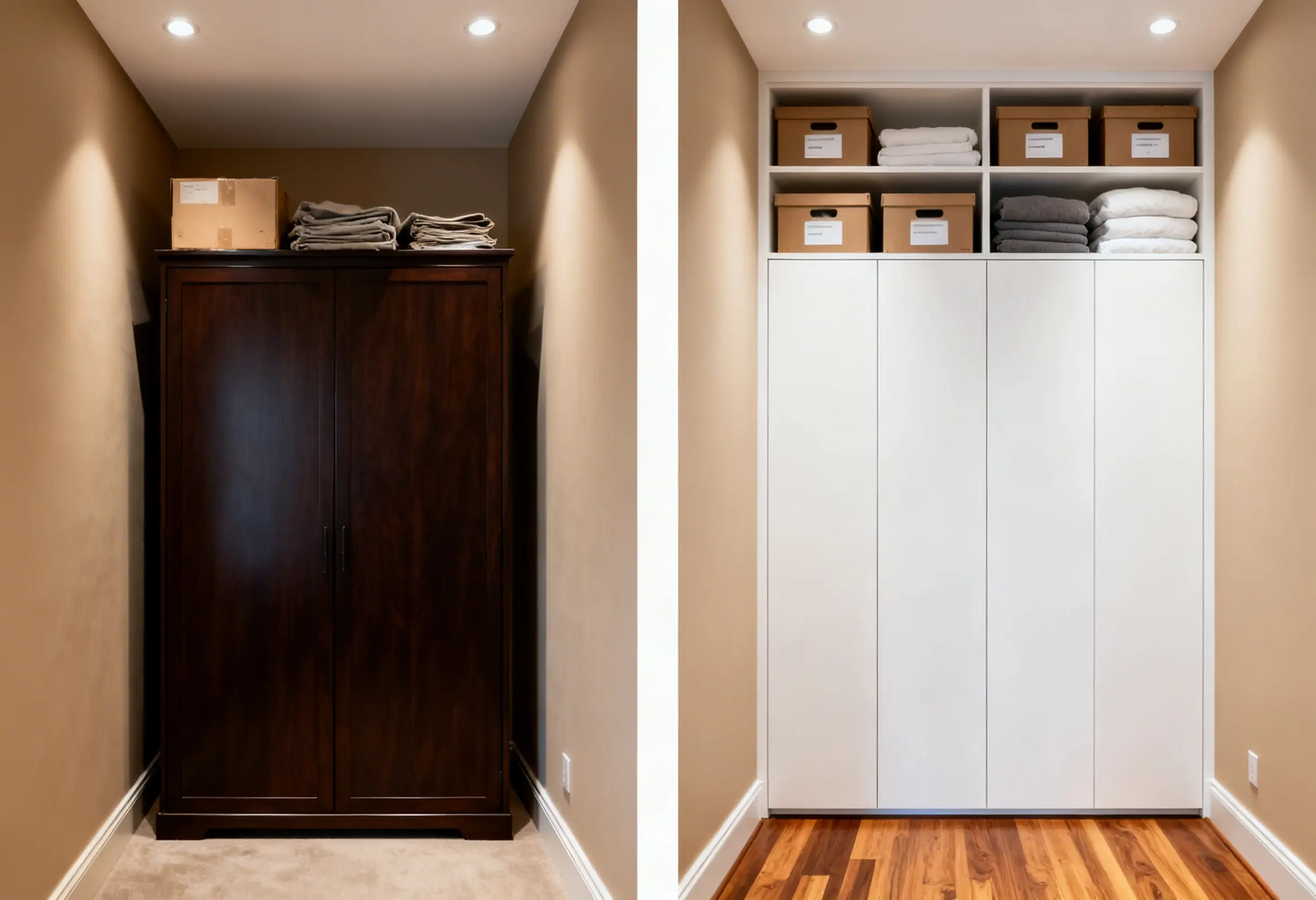
The Vertical Advantage: How Much Space You're Actually Leaving Behind
A standard retail wardrobe stands roughly 72 inches tall. A floor-to-ceiling closet in a 10-foot room stretches to 120 inches. That's 48 additional vertical inches - enough for an entire second tier of shelving, a full hanging section, or a deep row of seasonal storage. In a bedroom where floor space is non-negotiable, that vertical gain is transformative. Going floor to ceiling in a single 8-foot-wide closet system is the storage equivalent of adding a full walk-in to your apartment - without knocking down a single wall.
Pre-War Ceilings: Ornate Challenges, Extraordinary Opportunities
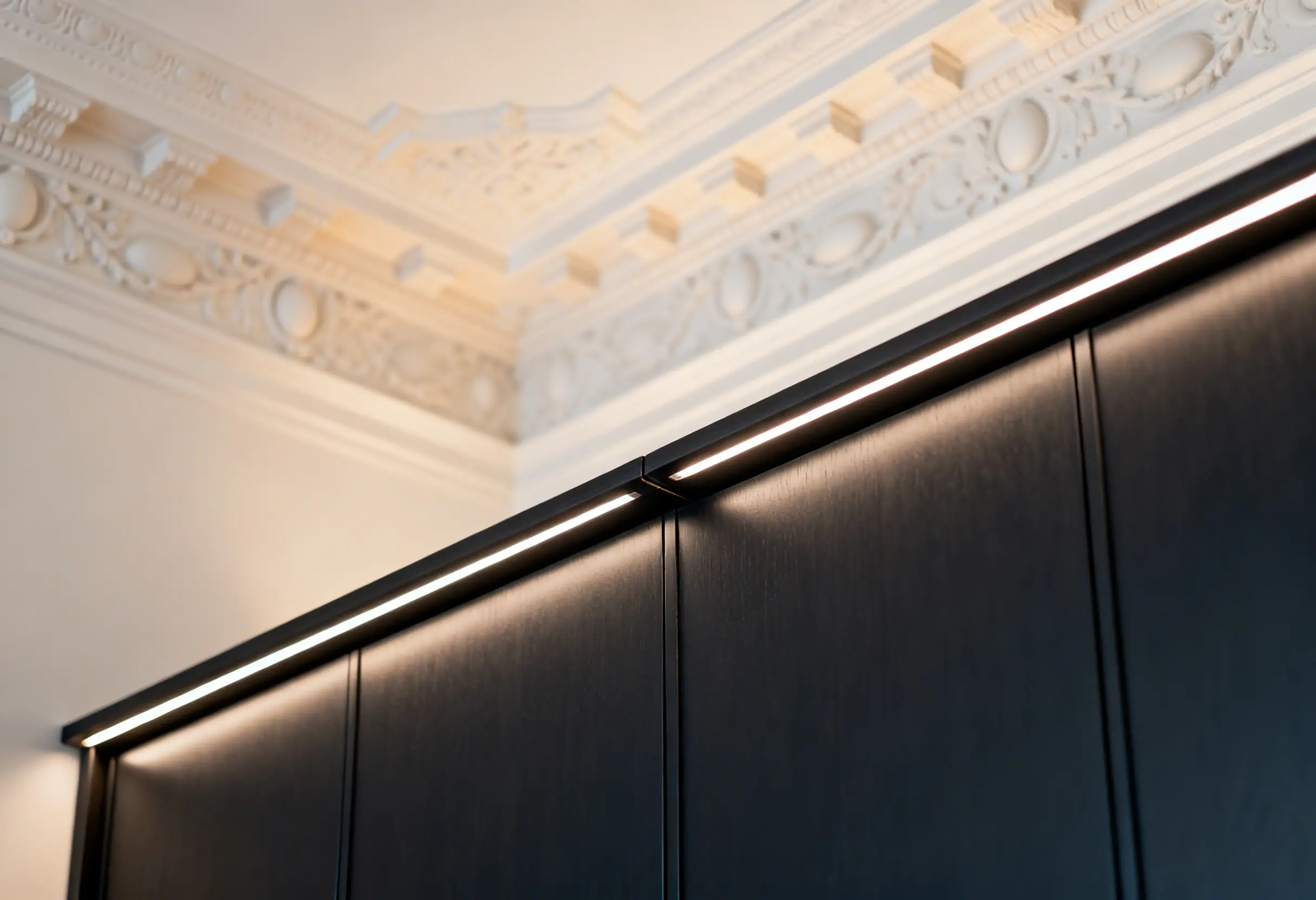
Pre-war buildings present unique millwork challenges. Crown molding profiles, plaster irregularities, and subtly out-of-plumb walls require custom scribing and precision fitting that off-the-shelf units simply cannot accommodate. A skilled millwork team turns these quirks into design features - integrating cornices, stepping panels around molding, and creating built-in silhouettes that look as though they were designed alongside the building itself.
Loft Spaces and High-Rise Builds: A Different Kind of Opportunity
In converted lofts and contemporary high-rise apartments, the ceiling height challenge shifts. Here, the goal is often to add visual warmth and architectural definition to vast open spaces. Floor-to-ceiling closet walls act as room dividers, zoning sleeping areas within open-plan layouts while delivering substantial storage depth. Done well, they look less like furniture and more like thoughtful architecture.
The Anatomy of a Luxury Floor-to-Ceiling Closet System
Not all closets are created equal. A truly luxury custom closet is not a flat-pack unit assembled against a wall - it is a precision-built, site-specific millwork installation designed around your wardrobe, your habits, and your space. Understanding what goes into a high-end system helps you ask the right questions and recognize real craftsmanship when you see it.
Structural Integration: Built In, Not Bolted On
The foundation of any floor-to-ceiling system is its relationship to the room itself. Quality custom closets are anchored to studs, leveled to account for floor variations, and scribed tight to ceiling and wall surfaces. There are no floating gaps, no visible shims, no tell-tale reveal between the top panel and the ceiling plane. The result feels permanent - because it is.
Interior Configuration: Engineering Your Wardrobe, Not a Generic One
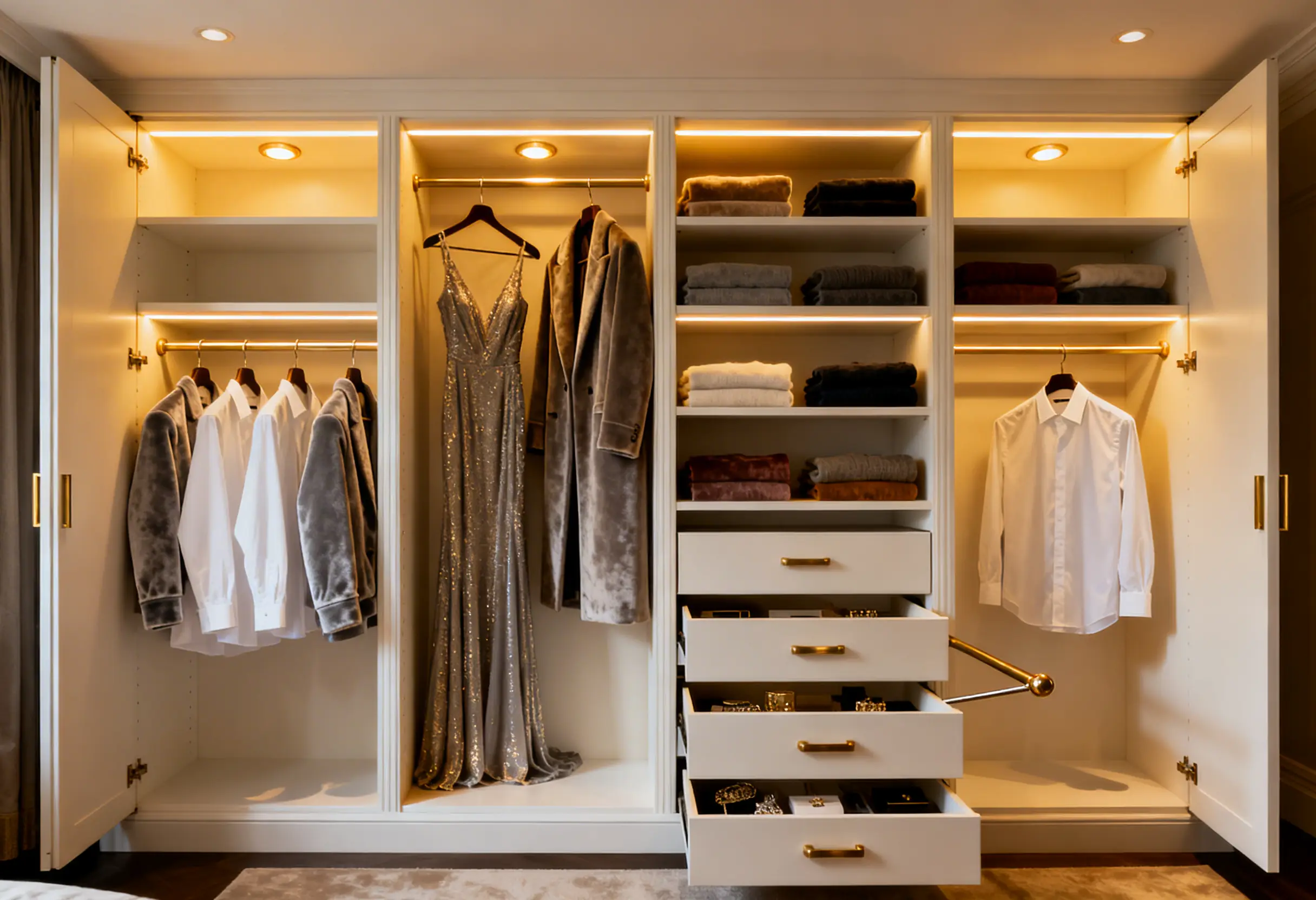
The interior layout is where customization delivers its greatest dividend. A thoughtfully engineered configuration is designed around the actual contents of your wardrobe - double-hang sections for shirts and jackets, single full-length hang for evening gowns and overcoats, adjustable shelving for folded sweaters, pull-out drawers, velvet-lined jewelry trays, valet rods, illuminated display sections for bags and shoes, and upper-reach zones with library ladder hardware for seasonal and archival items. The vertical zones in a floor-to-ceiling system allow all of these elements to coexist in a single, coherent unit - no compromises, no wasted inches.
Material and Finish Selections: Where Luxury Lives in the Details
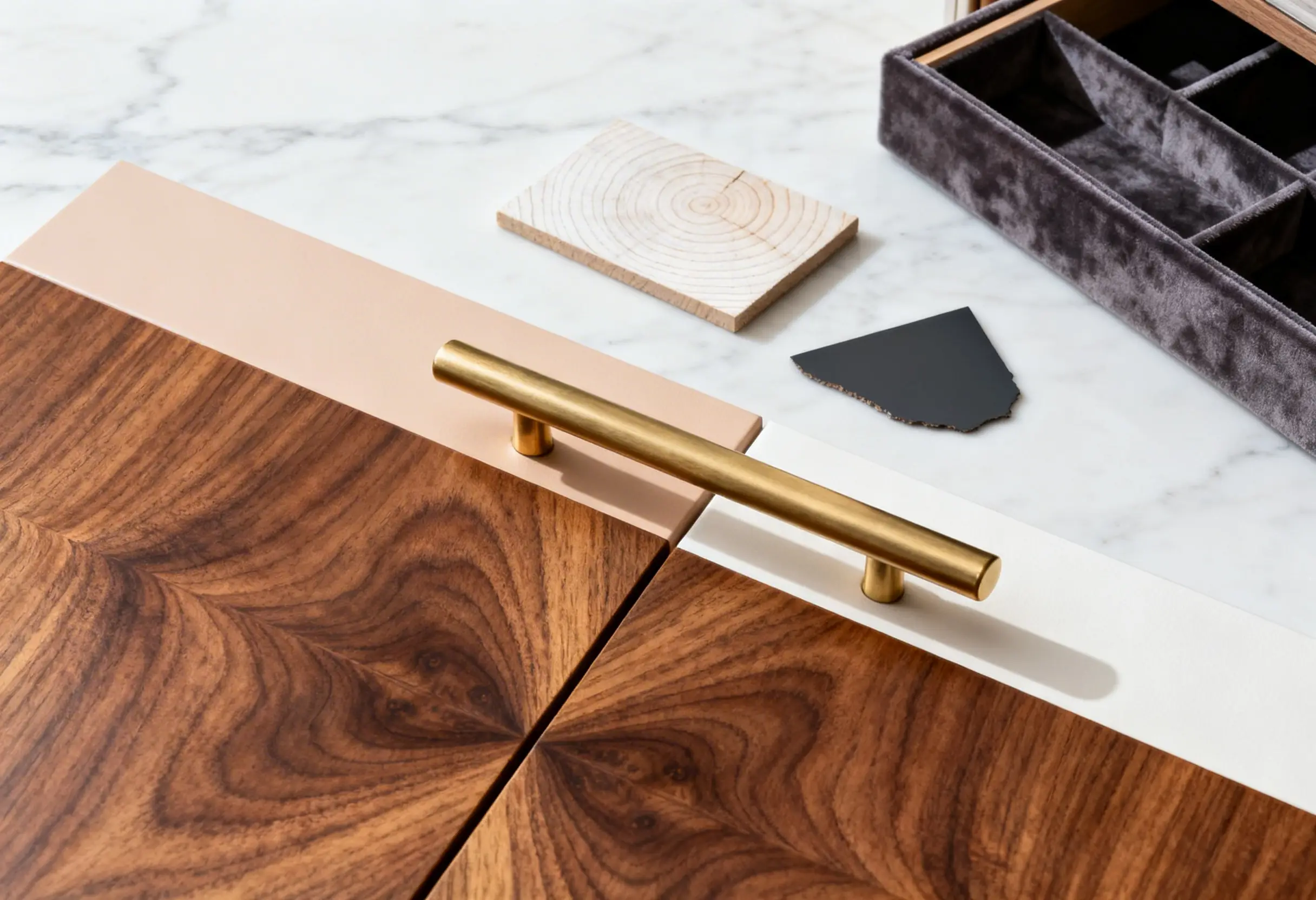
In high-end Manhattan closet design, materials carry the room. Options range from hand-lacquered panels in custom paint colors to book-matched veneer faces in walnut, white oak, or ebony. Hardware selection - soft-close hinges, push-to-open mechanisms, custom-profiled pulls - elevates the tactile experience. Integrated LED lighting, both functional and ambient, completes the picture. These are not afterthoughts; they are the difference between a storage unit and a showpiece.
Your Manhattan bedroom deserves a closet that matches its address. Explore KS Renovation Group's full millwork portfolio at ksrenovationgroup.com.
Design Principles That Make Vertical Storage Work in NYC Bedrooms
Height alone does not make a great closet. Without thoughtful design principles guiding the layout, a floor-to-ceiling system can feel oppressive, impractical, or visually chaotic. The best custom closet designers apply a clear set of principles to ensure vertical installations enhance - rather than overwhelm - a Manhattan bedroom.
Visual Proportion: Making Tall Spaces Feel Balanced
The key to a floor-to-ceiling closet that feels elegant rather than imposing is proportion. Panel widths, door heights, and horizontal lines must be calibrated to the room's scale. In rooms with lower ceilings, vertical grooves and minimal horizontal interruptions elongate the eye and make the room feel taller. In rooms with soaring pre-war ceilings, horizontal banding and panel articulation anchor the design and prevent it from feeling like a monolith.
Door Strategy: Open, Sliding, or Concealed
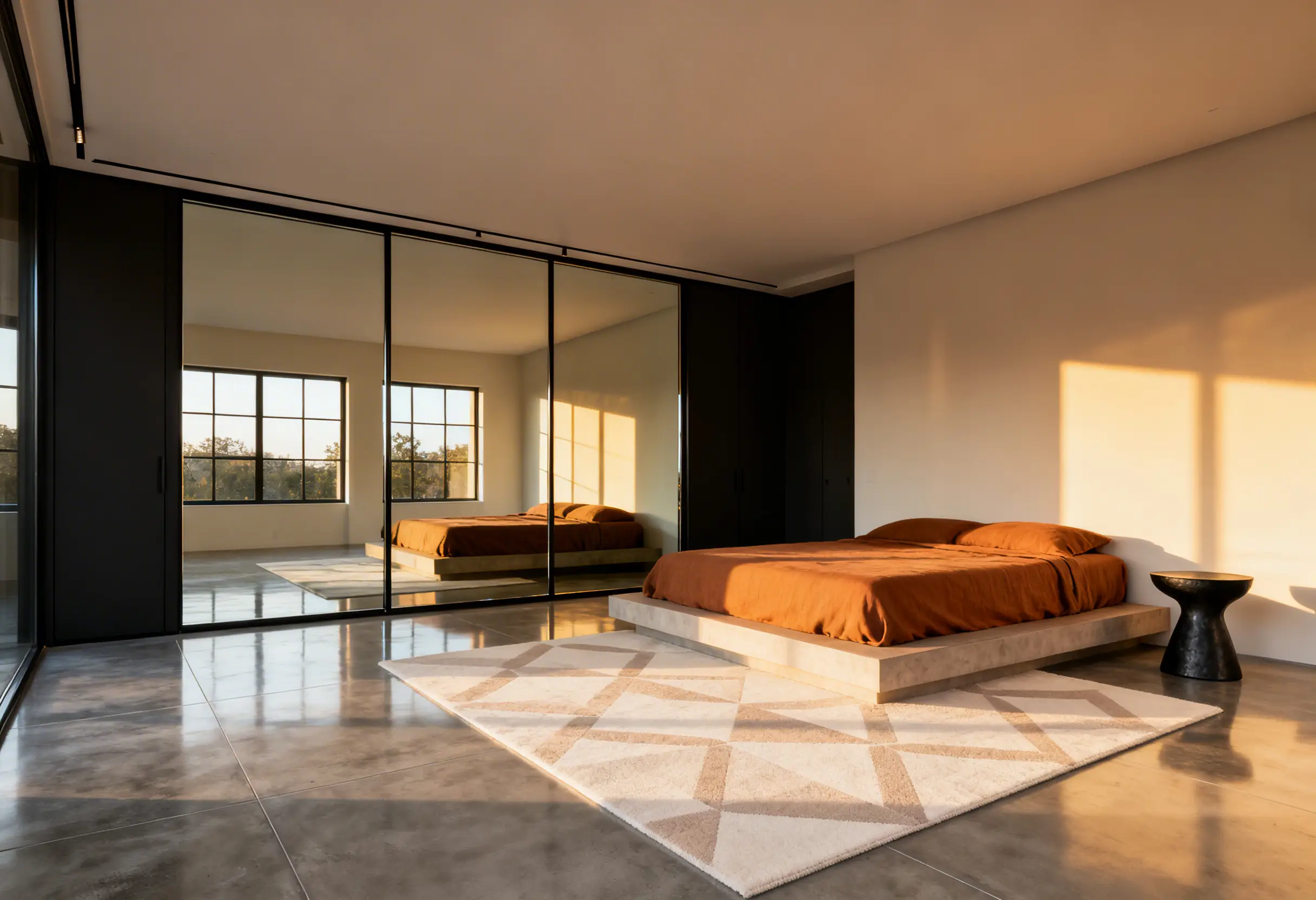
The door approach fundamentally changes how a floor-to-ceiling closet interacts with the rest of the room. Hinged doors read as traditional cabinetry and suit pre-war apartments beautifully. Frameless sliding panels - particularly in mirrored or lacquered finishes - work well in contemporary interiors and reflect light to expand the room visually. Fully concealed push-to-open systems, with no visible hardware, create the cleanest architectural expression and are increasingly popular in luxury new construction. The right choice depends on the room, the ceiling height, and the overall aesthetic vision.
Lighting Design: The Element Most Closets Get Wrong
A floor-to-ceiling closet without proper lighting is a beautiful box you can't see into. Integrated LED strips along interior shelving edges, puck lights inside hanging sections, and ambient toe-kick lighting at floor level create a layered effect that is both functional and cinematic. Motion-activated lighting in deep upper sections ensures nothing is ever lost in shadow. When done correctly, lighting turns a custom closet into the most dramatic moment in a bedroom - the kind of reveal that stops first-time guests in their tracks.

The KS Renovation Group Approach: From Empty Wall to Finished Installation
Understanding how a professional custom closet project unfolds demystifies the process - and underscores why partnering with an experienced Manhattan renovation firm matters from the very first conversation.
Site Assessment and Space Planning
Every KS Renovation Group closet project begins with a thorough on-site assessment. This means precise measurements that account for ceiling height variations, out-of-plumb walls, baseboard and crown molding profiles, existing electrical and HVAC considerations, and available floor area for door swing or slide clearance. This assessment becomes the foundation for a design that fits your specific apartment - not a template applied to it.
Custom Design and 3D Visualization
The design process produces detailed 3D renderings before a single panel is fabricated. You see your closet in context - your room, your ceiling height, your finish selections - and can refine configurations, adjust interior layouts, and confirm material choices with complete confidence. This step eliminates surprises and ensures the finished installation matches your expectations precisely.
Fabrication, Installation, and Finishing
KS Renovation Group manages fabrication and installation as an integrated process. Panels are produced to exact specification, delivered to your building, and installed by skilled craftsmen with meticulous attention to fit, finish, and alignment. Scribing to ceiling and floor surfaces, integration with building molding profiles, and final punch-list inspections are all part of the standard process. The result is a floor-to-ceiling closet that looks like it has always been part of your apartment - because, from this point forward, it will be.
Spring Is the Right Time to Start
Spring cleaning season is not just about decluttering - it's the moment most Manhattan homeowners confront the real problem: there is nowhere to put things because the storage infrastructure was never right. Rather than rearranging the same inadequate space for another year, this spring is the opportunity to solve it permanently. Lead times for custom millwork mean that starting your project now positions you for a finished closet before summer - and a dramatically more functional, more beautiful home for the rest of the year.
Don't spend another season working around inadequate storage. Visit ksrenovationgroup.com and request your custom closet consultation today.
The Bedroom You've Always Wanted Starts at the Ceiling
Manhattan living demands creative solutions. The apartments are extraordinary - but their closets rarely are. Floor-to-ceiling custom closet systems change that calculus entirely, transforming the vertical space every room already possesses into organized, beautiful, deeply functional storage that serves your actual life.
This isn't a cosmetic upgrade. It is a structural commitment to living better in your space - one that pays dividends every single morning when you open the doors, see everything clearly, and start your day without a hunt through disorder.
The ceiling has always been the boundary. Now it's the opportunity. KS Renovation Group has the millwork expertise, the design vision, and the Manhattan-specific knowledge to turn that opportunity into the closet your wardrobe - and your home - deserves.
The walls go all the way up. This spring, make sure your storage finally does too.
Transform your Manhattan bedroom with a floor-to-ceiling custom closet built specifically for your space. Connect with the KS Renovation Group team at ksrenovationgroup.com and take the first step today.
Frequently Asked Questions
Do floor-to-ceiling closets work in apartments with lower ceilings? Absolutely. While soaring pre-war ceilings offer the most dramatic vertical gain, floor-to-ceiling systems are valuable even in apartments with standard 8-foot ceilings. By eliminating the gap between the top of the unit and the ceiling plane, you capture storage space that would otherwise be lost - and the seamless fit makes the room feel taller, not shorter. A skilled millwork team designs proportions that flatter the room regardless of its height.
Will a floor-to-ceiling custom closet work in a rental apartment? This depends on your lease and your landlord. Many Manhattan co-op and condo owners install custom closets as permanent improvements that increase apartment value. For renters, the conversation is worth having with your building management - some landlords welcome permanent improvements. KS Renovation Group can advise on installation approaches and help you understand what's possible in your specific building context.
How long does a custom floor-to-ceiling closet installation typically take? The timeline has two phases: design and fabrication, followed by installation. From initial consultation to final installation, a single-room custom closet project typically runs several weeks. Installation itself is generally completed in one to three days depending on scope and complexity. KS Renovation Group manages the full process and keeps you informed at every stage.
What finishes and materials are most popular for luxury custom closets in Manhattan right now? Current preferences lean toward hand-lacquered panels in soft whites, warm off-whites, and deep charcoals; natural wood veneers in white oak and walnut; and fluted or reeded panel details that reference classic millwork while feeling contemporary. Hardware tends toward brushed brass, matte black, or polished nickel depending on the broader apartment palette. Integrated LED lighting is now considered standard in luxury closet design rather than an upgrade.
How does KS Renovation Group handle the unique challenges of Manhattan building construction? Manhattan buildings are exceptionally varied - pre-war plaster walls, out-of-plumb surfaces, complex crown molding profiles, building management requirements for deliveries and noise, and strict installation windows are all part of the reality. KS Renovation Group brings years of NYC-specific renovation experience to every project. We coordinate with building management, work within permitted hours, scribe every panel to actual site conditions, and handle all the logistical complexity that Manhattan renovations require - so you don't have to.

You may also be interested
KS Renovation Blog
Get Inspired
Meaningful information about home remodeling for the true NYC homeowners.

OUr Clients Say

William Plotch
amy schorr
gberaka
NYC kitchen remodeling Projects and more


