
Luxury Duplex Manhattan: How to Combine Two Apartments in NYC
The Duplex Dream Is Closer Than You Think
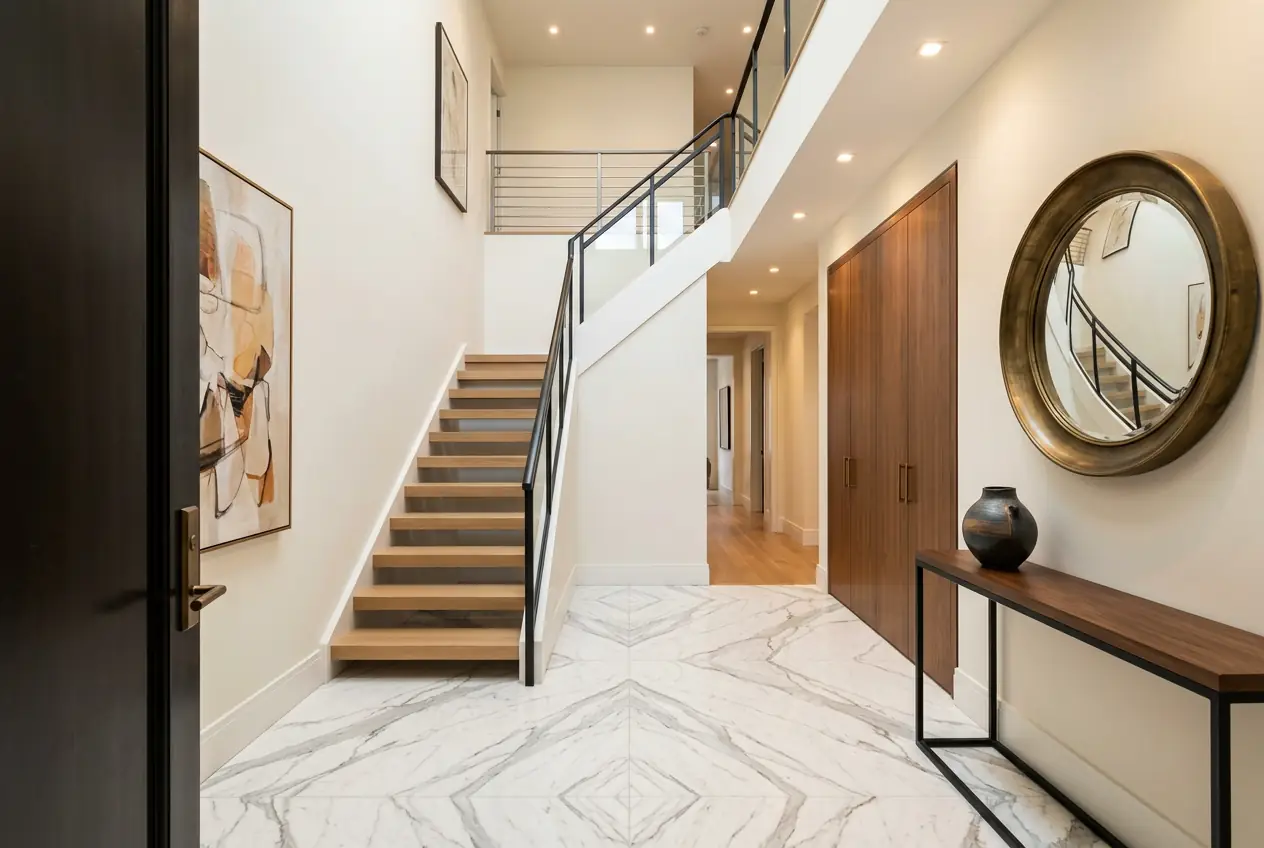
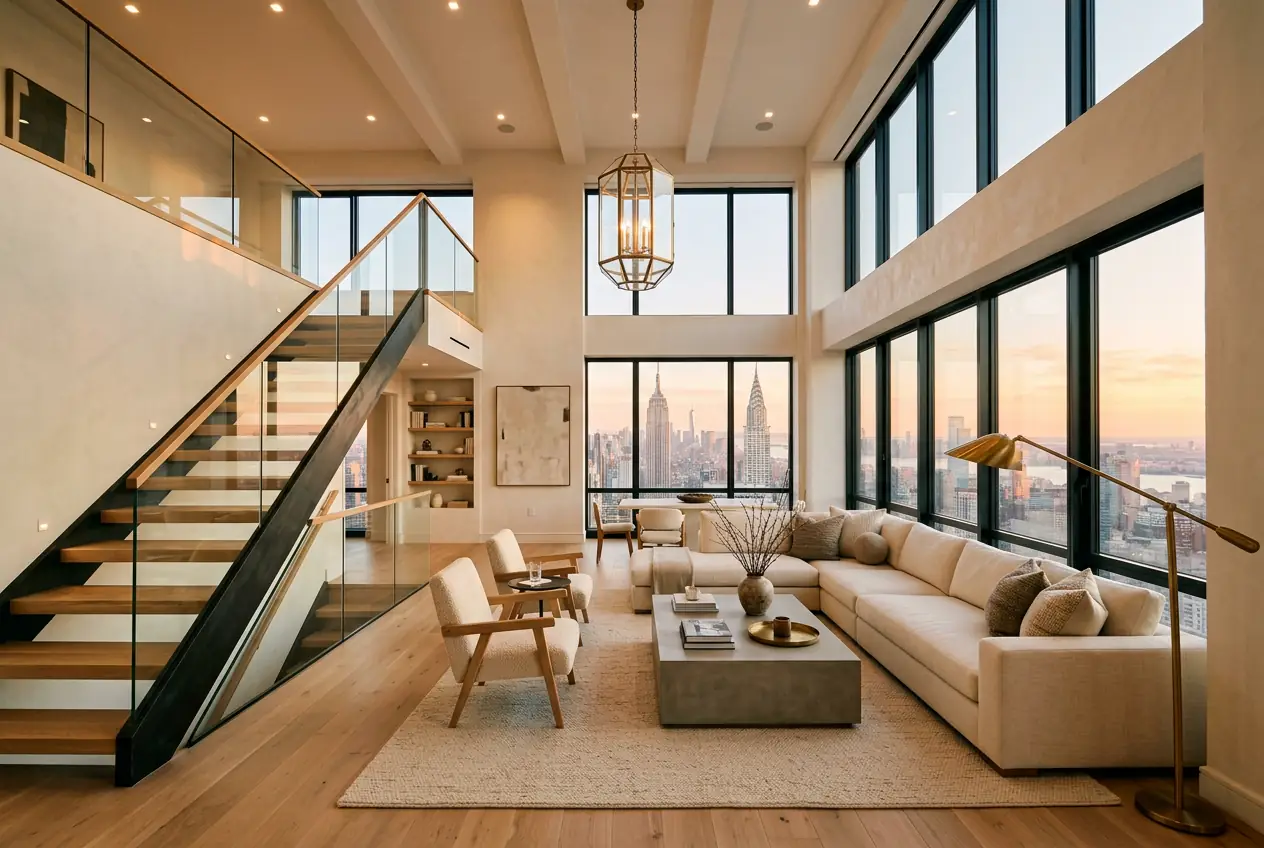
Imagine waking up on the upper floor of your own Manhattan duplex, descending a custom-crafted staircase into a soaring double-height living room, and looking out over the city with the kind of space most New Yorkers only dream about. This isn't a fantasy reserved for prewar penthouses or hedge fund fortunes - it's increasingly the choice of discerning homeowners who already own (or are strategically acquiring) two vertically stacked apartments and are ready to unlock their combined potential.
Vertical apartment combination - the process of merging two stacked units across two floors into a single unified residence - has quietly become one of the most transformative renovations happening in Manhattan today. It's architecturally ambitious, legally nuanced, and when done right, results in a home that feels genuinely unlike anything else in the city. It also delivers meaningful increases in livable square footage and property value in a borough where both are fiercely guarded commodities.
But this isn't a weekend project. A successful vertical combination demands deep expertise in NYC structural engineering, DOB permit navigation, and the kind of precision craftsmanship that turns a hole in a floor into a breathtaking interior staircase. This guide walks you through exactly what that process looks like - from the first structural assessment to the moment you take your first step up your new staircase.
Ready to explore what your two-floor combination could look like? Book a free consultation with KS Renovation Group - Manhattan's trusted experts in luxury apartment transformations.
Understanding the Structural Requirements for a Vertical Apartment Combination in NYC
Every duplex renovation in New York City begins the same way: with a structural engineer. Before a single wall is touched or a staircase is designed, you need a professional assessment of what lies between your two floors - and what it will take to safely open them up.
What a Structural Assessment Actually Reveals
When you combine two apartments vertically, the critical element is the floor/ceiling assembly between them. In Manhattan's older buildings - prewar co-ops, 1960s and '70s rental conversions - this assembly typically consists of concrete slabs, steel joists, or a combination of both. What the structural assessment reveals is which portions can be cut, how large an opening can be safely created for a staircase, and whether any supplemental steel reinforcement is needed around the opening. In many buildings, the answer requires adding a structural steel header or beam to carry the load that the original floor slab was distributing across a wider area. Knowing this early shapes every downstream decision about staircase placement and design.
Building-Specific Constraints to Know Before You Plan
Manhattan apartment buildings are not generic. A prewar limestone building on the Upper West Side has a completely different structural DNA than a mid-century tower in Midtown or a cast-iron loft conversion in SoHo. The position of load-bearing columns, the direction of floor joists, the presence of mechanical chases (plumbing stacks, ductwork runs) - all of these define where you can place a staircase opening versus where you cannot. An experienced general contractor who has worked extensively in Manhattan's residential buildings will understand these constraints intuitively and can help you identify the optimal staircase location before an architect produces a single drawing. This saves significant time and prevents costly redesigns later.
Coordinating with Your Building's Engineering Team
In most Manhattan co-ops and condominiums, your renovation cannot proceed without sign-off from the building's own structural engineer or engineering firm. This is a separate process from the NYC Department of Buildings (DOB) approval, and it happens first. The building engineer will review your architect's plans, may require additional calculations or drawings, and will specify exactly how the structural opening must be reinforced. Working with a general contractor who has strong existing relationships with Manhattan building management companies dramatically accelerates this phase - it can mean weeks saved on the front end of a project.
Navigating NYC Permits for Combining Two Floors into One Apartment
A vertical apartment combination in Manhattan is one of the most permit-intensive residential renovations you can undertake. Understanding the regulatory landscape upfront - rather than discovering it mid-project - is essential to keeping your timeline on track.
DOB Filings and Alteration Types
Combining two apartments into one requires a formal change-of-occupancy filing with the New York City Department of Buildings. This falls under what the DOB classifies as an Alteration Type 1 (Alt-1) - the highest category of residential alteration, requiring full plan examination and sign-off from multiple DOB units. Your architect must prepare a complete set of drawings that addresses not just the staircase and structural opening, but also life-safety elements: egress, fire separation, sprinkler systems (if required by your building's class), and compliance with the current NYC Building Code. In pre-1938 buildings with existing non-compliant conditions, additional remediation drawings may be required. This is not a process to navigate without an architect experienced in NYC residential Alt-1 filings.
Board Approval in Co-ops and Condos
If you're in a co-op, your board's approval is not optional and not perfunctory. Most Manhattan co-op boards require submission of an alteration agreement, full architectural drawings, contractor insurance certificates, and in many cases a personal interview. Boards scrutinize duplex combinations carefully because they involve structural work and extended construction periods that affect neighboring residents. Having a well-organized submission package - and a contractor with a proven track record in the building's neighborhood - makes a meaningful difference in the approval timeline. Some condo buildings have similarly rigorous review processes through their managing agents.
Timeline Expectations for the Permit Phase
Homeowners are frequently surprised by how long the permit phase takes. A realistic timeline from initial filing to permit issuance for a vertical combination project in Manhattan is 3 to 6 months, depending on DOB plan examination queues, completeness of initial submissions, and the speed of back-and-forth with the building's engineer. This is why spring is the ideal moment to begin the process: homeowners who start the permitting process now are positioned to break ground in late summer or fall, with project completion by the following year. Waiting until fall to begin means the permit phase alone carries you well into the following year.
Don't wait for the peak season rush. Contact KS Renovation Group today to start your permit-ready planning process now.
Staircase Options for Your Manhattan Duplex - Where Design Meets Engineering
The interior staircase is the defining architectural element of any duplex. It is simultaneously a structural solution, a functional necessity, and - when designed with intention - the most dramatic design statement in the entire home. Choosing the right staircase for your vertical apartment combination is one of the most consequential decisions of the entire project.
Straight, Floating, and Spiral - Understanding Your Options
The three primary staircase typologies for Manhattan duplex combinations each carry distinct spatial, structural, and aesthetic implications.
Straight staircases require the most linear floor space but offer the most flexible tread dimensions, easiest code compliance, and the most accessible ascent. They work particularly well in apartments where the structural opening can be positioned along a longer wall run.
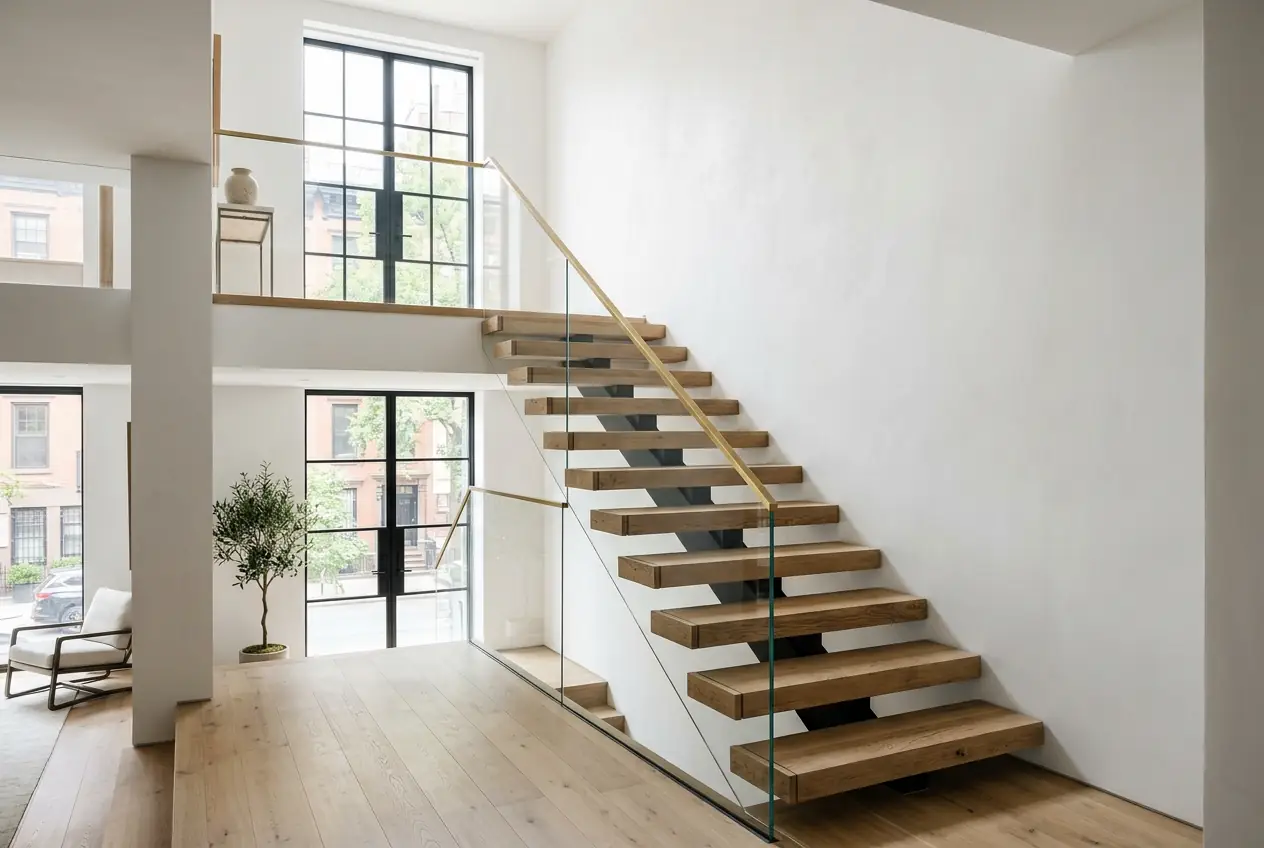
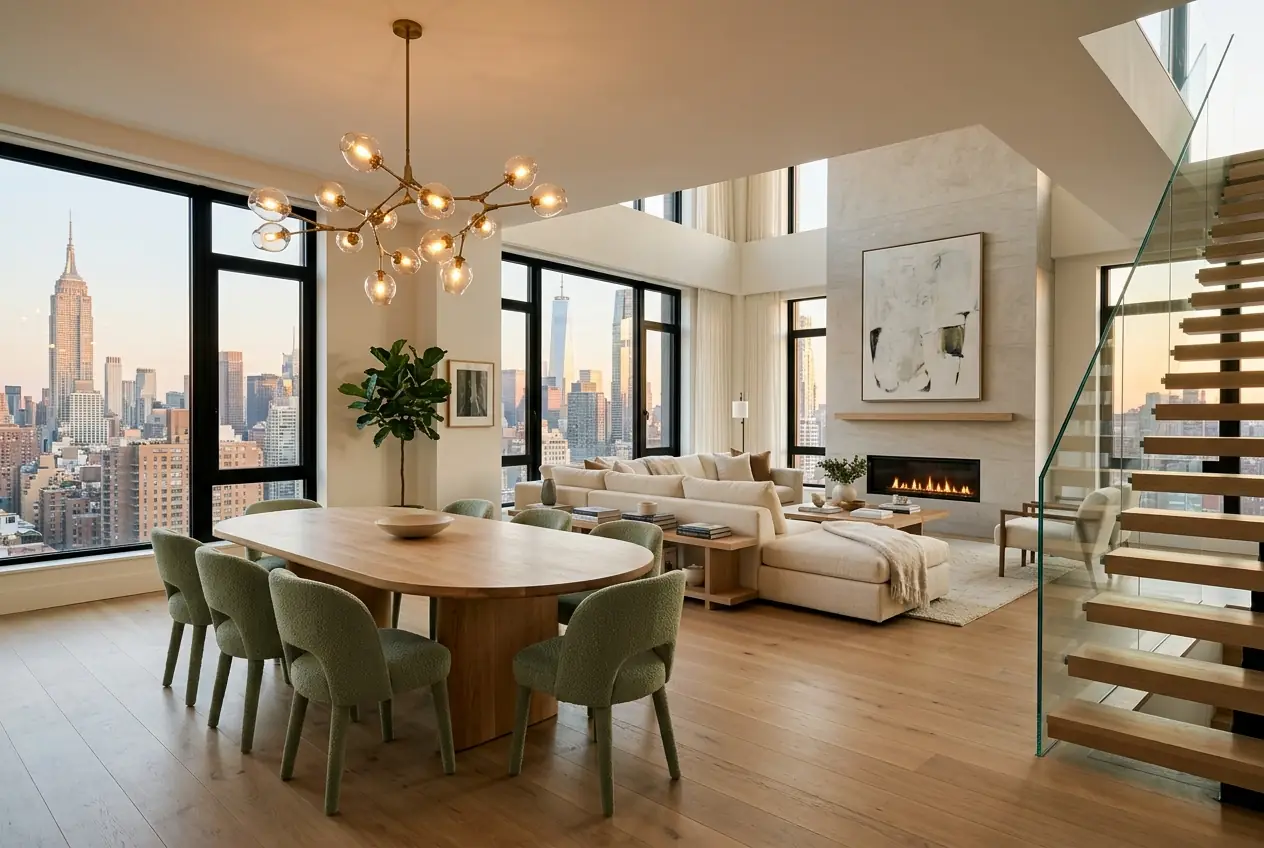
Floating staircases - with open risers and cantilevered or side-stringer construction - are the signature look of contemporary Manhattan luxury interiors. They allow light to pass through the stairwell, create a sense of visual openness, and serve as sculptural elements in their own right. They require precise structural support at the attachment points and demand exceptional millwork craftsmanship in the tread and stringer fabrication.
Spiral staircases minimize the floor opening footprint and are sometimes the only viable solution when structural and layout constraints severely limit the available opening size. Modern spiral designs in steel and glass can be genuinely stunning, though they have limitations in tread width that affect comfort and code compliance.
Material Selection and Custom Millwork
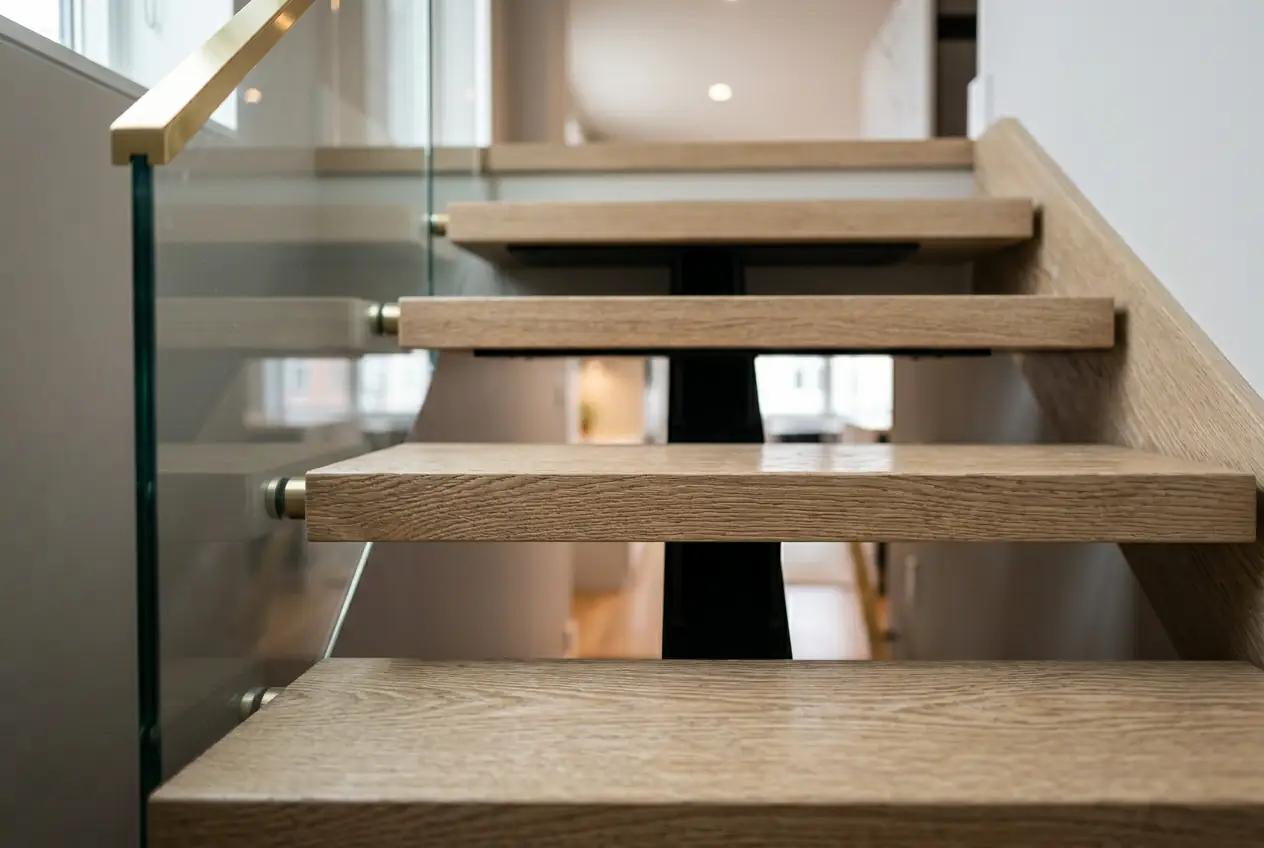
The materials chosen for a duplex staircase carry visual weight throughout both floors. White oak treads with a natural or wire-brushed finish are the dominant choice in contemporary Manhattan luxury renovations - they warm the space, photograph beautifully, and patina gracefully over time. Steel stringers in a blackened or powder-coated finish provide a structural backbone that reads as a deliberate design element rather than an afterthought. Glass railings maximize light transmission and maintain sightlines across the double-height space. The critical factor is that the staircase fabrication and installation be handled by craftspeople who work in wood and metal with equal fluency - because the finest staircase designs combine both materials at a level of precision that makes the joinery itself a form of artistry.
KS Renovation Group operates its own in-house custom millwork facility in Long Island City - meaning your staircase treads, railings, and custom woodwork details are produced under direct quality control, not subcontracted to an unknown third party. Explore KS Renovation's custom millwork capabilities and see what that standard of craftsmanship looks like in practice.
Integrating the Staircase into the Overall Floor Plan
The staircase cannot be designed in isolation. Its placement dictates the flow of both floors, the programming of adjacent spaces, and how natural light moves through the combined home. The most successful duplex renovations position the staircase so that it anchors a central living zone - creating a moment of arrival and orientation - rather than tucking it into a corner as an afterthought. This requires the architect, interior designer, and general contractor to work as a genuinely integrated team from the earliest planning stages, not in sequence. When that collaboration happens fluidly, the staircase becomes what it should be: the spine of the entire home.
Before & After - What a Vertical Apartment Combination Actually Transforms
The numbers matter, but the lived experience is what drives the decision. Here is what Manhattan homeowners consistently describe as the most meaningful transformations after completing a vertical apartment combination.
From Separate Units to a Unified Home
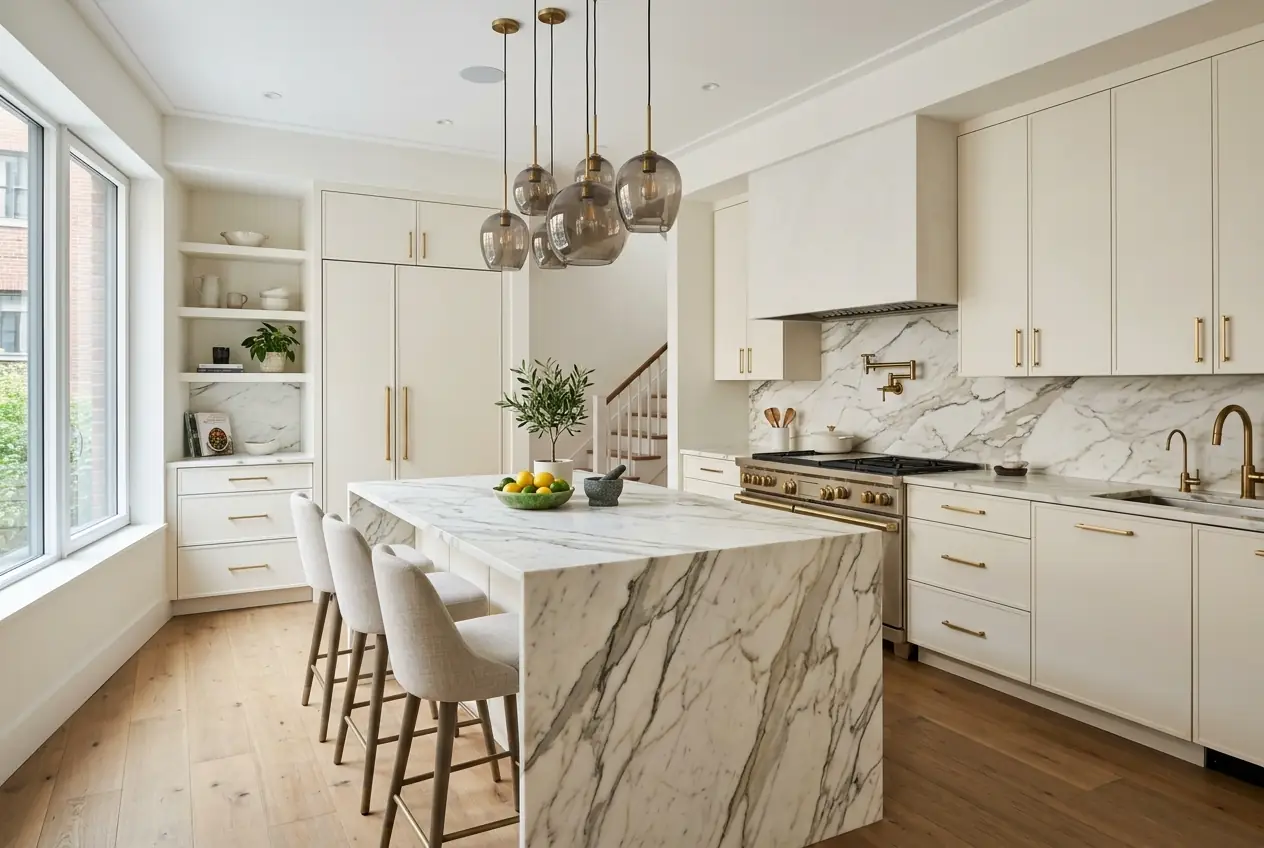
The most immediate transformation is psychological as much as spatial. Two apartments - even two beautifully renovated apartments - feel like two apartments. They have two front doors, two sets of mechanical systems, two different architectural personalities developed by different previous owners at different points in time. A completed vertical combination is unified from foundation to ceiling in a way that no adjacent renovation can achieve. The ceiling heights feel suddenly generous. The light moves through the home in a way that flat apartments never allow. Guests move through the space intuitively, without the friction of layouts designed for two separate households.
How Space Gets Reprogrammed Across Two Floors
The duplex format allows a level of programmatic separation that single-floor apartments in Manhattan almost never achieve. The most common arrangement positions social and entertainment spaces - kitchen, dining, living, home office - on one floor, with private and intimate spaces - primary suite, children's bedrooms, secondary bathrooms - on the other. This vertical separation of public and private life is one of the defining characteristics of luxury residential architecture, and it's what makes duplex living feel qualitatively different from horizontal living, regardless of total square footage. When the renovation is planned holistically from the beginning, every room benefits from its position in this vertical hierarchy.
Property Value Implications in the Manhattan Market
A completed, well-permitted vertical combination consistently delivers meaningful property value premiums in the Manhattan resale market. Co-op and condo buyers who specifically seek duplex units represent a motivated, less price-sensitive segment of the market - they are buying a format that is structurally scarce in Manhattan's residential inventory. The key to maximizing that premium is execution quality: a duplex with a poorly designed or visually awkward staircase, mismatched finishes across floors, or visible signs of budget-driven decisions throughout will not command the same premium as one where every element of the renovation reflects a coherent design vision executed to a luxury standard.
Your duplex transformation starts with the right team. Schedule your free consultation with KS Renovation Group and let's map out what your combined home could become.
Conclusion: This Spring, Make the Move That Changes Everything
A vertical apartment combination is not a minor renovation. It is a comprehensive architectural transformation that demands expertise at every stage - structural engineering, DOB permitting, board navigation, precision construction, and custom craftsmanship that turns two separate units into one exceptional home. The homeowners who undertake it well describe the result not merely as a larger apartment, but as a fundamentally different way of living in New York City.
Spring is the moment to begin. The permit timelines are long, the planning phase is complex, and the homeowners who are already in conversations with their renovation teams right now are the ones who will be celebrating in a completed duplex a year from today.
KS Renovation Group has spent over a decade delivering exactly this standard of work across Manhattan, Brooklyn, and beyond - full-service general contracting with in-house custom millwork, direct owner involvement, and a track record that speaks in completed projects and client referrals.
The first step is a conversation. Book your free consultation with KS Renovation Group today - and take the first real step toward the Manhattan duplex you've been envisioning.
Frequently Asked Questions
Q1: Do I need to own both apartments before starting the combination process? Yes - in virtually all Manhattan co-ops and condominiums, you must hold ownership (shares or unit deed) of both apartments before the building will approve an alteration agreement for a vertical combination. Some homeowners begin the architectural planning and even DOB pre-filing work while the purchase of the second unit is in contract, but the formal building approval process requires documented ownership of both units.
Q2: Can any two vertically stacked apartments be combined, or are there building types where it's not feasible? Most Manhattan residential buildings can physically accommodate a vertical combination, but feasibility varies significantly by building class and structure. Buildings with reinforced concrete slabs (common in mid-century construction) present more complex structural challenges than those with wood or steel joist framing. Buildings with cast-iron or structural masonry elements require particularly careful engineering analysis. The best first step is always a preliminary structural consultation - which KS Renovation Group can facilitate - before committing to the project scope. Reach out here to get started.
Q3: How long does the full vertical combination renovation typically take from start to finish? From initial planning through permit issuance through construction completion, most Manhattan vertical combination projects span 12 to 18 months in total. The permitting and board approval phase alone typically runs 3 to 6 months; construction, once started, typically runs 4 to 8 months depending on project scope and finish level. Starting the process now, in spring, positions you for construction to begin in late summer or fall and completion in the following year.
Q4: What is the most common mistake homeowners make in a duplex renovation? The most consistent mistake is treating the staircase as a late-stage decision rather than the organizing architectural element it truly is. Homeowners who select their staircase style, materials, and placement early - and integrate it into the floor plan from the beginning - end up with a home where everything flows logically. Those who treat it as a construction detail to be resolved after the floor plans are finalized often end up with compromised layouts on both floors. A full-service general contractor like KS Renovation Group, working alongside your architect from day one, prevents this by keeping the staircase central to every planning conversation.
Q5: Does KS Renovation Group handle the entire process, including permits and board applications? Yes. KS Renovation Group operates as a full-service, A-to-Z general contractor, managing the project from initial consultation through permit filings, board application coordination, construction, and final close-out. With direct owner involvement and over a decade of experience in Manhattan's complex regulatory environment, the team is equipped to guide homeowners through every stage without the fragmentation that occurs when separate vendors manage separate phases. Contact KS Renovation Group to learn how a single trusted team can carry your duplex transformation from concept to completion.

You may also be interested

KS Renovation Blog
Get Inspired
Meaningful information about home remodeling for the true NYC homeowners.

OUr Clients Say

William Plotch
amy schorr
gberaka
NYC kitchen remodeling Projects and more


